Choosing the right roof is one of the most important decisions a homeowner makes. Your roof protects your home from the weather, affects energy efficiency, and plays a major role in property value. In the United States, roofing systems are designed based on climate conditions, architectural style, and long-term performance.
This detailed guide explains different types of roofs used in the U.S., including roof styles and materials, along with costs, pros, cons, and expert insights that help you to choose the right one for your property.
What are the Different Types of Roofs In Bronx
Understanding different type of roofs designs helps homeowners choose the best option based on durability and budget.
Gable Roof (Most Common Residential Roof in the U.S.)
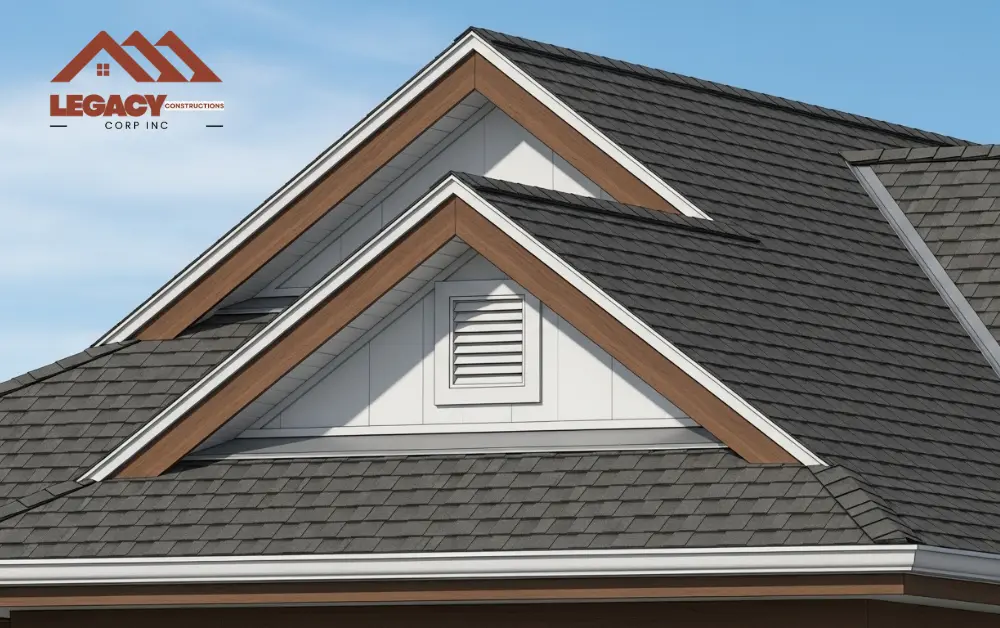
A gable roof is defined by its two sloping planes that meet at a central ridge, creating a triangular shape on each end of the house. This design is extremely popular across the United States because of its simplicity, affordability, and highly effective water-shedding capability.
From a structural standpoint, gable roofs are efficient because they naturally direct rainwater, snow, and debris downward, reducing the risk of water pooling or leaks. This makes them particularly effective roofing among the different types of roofs in regions with heavy rainfall or snowfall, such as the Northeast and Midwest.
Additionally, the steep pitch of many gable roofs allows for proper attic ventilation, which helps regulate indoor temperatures and prevent moisture buildup, an important factor in extending roof lifespan.
Lifespan: Typically ranges from 20 to 50 years, depending on the roofing material used (asphalt, metal, etc.).
Cost: $6 to $10 per square foot.
Pros
- Excellent Water Drainage:
The sloped design prevents water accumulation, reducing the risk of leaks, mold, and structural damage. - Cost-Effective Construction:
Requires fewer materials and less labor compared to complex roof styles, making it one of the most affordable options. - Better Ventilation & Energy Efficiency:
The attic space created by the design allows airflow, which helps regulate temperature and reduce energy costs. - Ease of Maintenance & Repairs:
A simple structure means contractors can easily identify and fix issues quickly and affordably.
Cons
- Wind Vulnerability:
In areas with strong winds or hurricanes, gable roofs can act like a sail if not properly braced, potentially leading to structural failure. - Requires Reinforcement in Storm Zones:
Additional support (like hurricane straps) is often needed in coastal regions, increasing costs.
Best For
- Suburban homes across the U.S.
- Cold climates with snow
- Budget-conscious homeowners
Looking for reliable and affordable roof solutions? Our experienced local roofers provide high-quality roofing services in Bronx, from repairs to full roof installations. Get your free quote today and protect your home with confidence.
2. Hip Roof (High Stability & Wind Resistance)
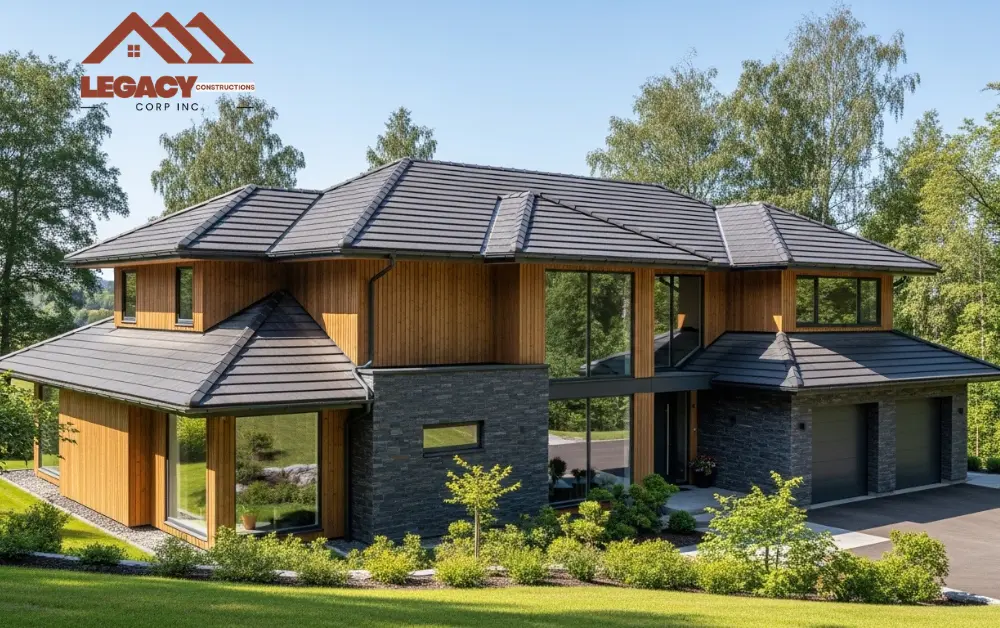
A hip roof features four sloping sides that converge at the top, creating a more compact and aerodynamic structure. Unlike gable roofs, there are no vertical ends, which significantly reduces wind pressure on the structure.
This design is widely used in areas prone to high winds, hurricanes, and storms, because it distributes stress evenly across all sides. The inward slope also enhances structural integrity, making hip roofs one of the most stable roofing systems available in Bronx among the different type of roofs.
However, the complexity of the design increases both construction costs and labor requirements, making it a more premium option.
Lifespan: 20–50 years according to the material used.
Cost: $8 to $12+ per square foot
Pros
- Superior Wind Resistance:
The aerodynamic shape minimizes uplift pressure, making it ideal for storm-prone areas. - Enhanced Structural Strength:
The inward slope provides better load distribution, increasing durability over time. - Consistent Protection:
Overhangs on all sides offer better shade and protection from the sun and rain.
Cons
- Higher Construction Costs:
Requires more materials and skilled labor due to complex geometry. - Reduced Attic Space:
The inward slopes limit the usable attic or storage area compared to gable roofs.
Best For
- Coastal U.S. regions (Florida, Gulf Coast)
- High-wind zones
- Homes requiring long-term durability
3. Flat Roof (Urban Roofing System)
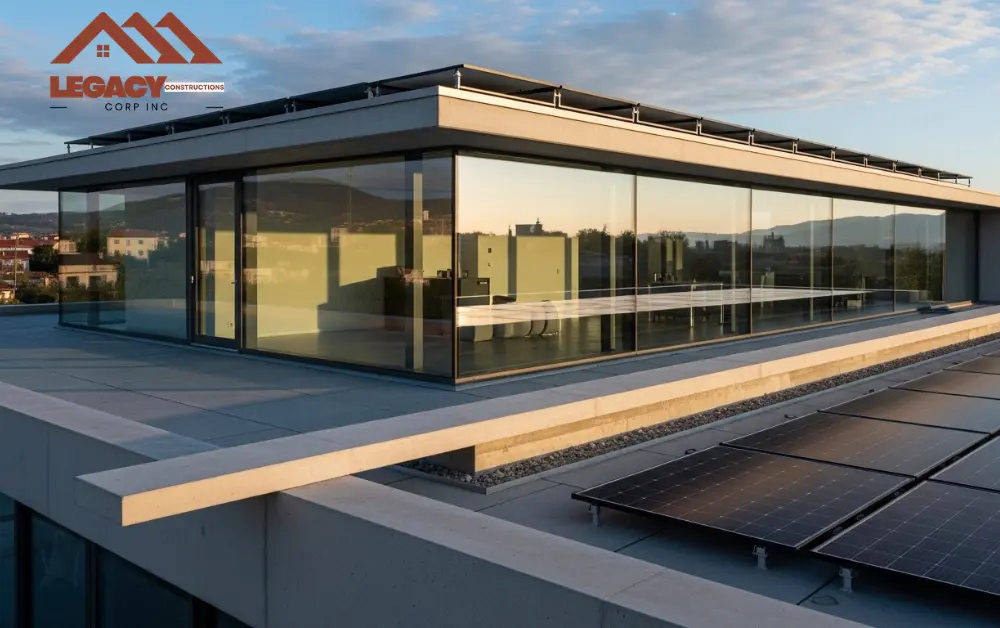
Flat roofs are not completely flat; they typically have a low slope (pitch) to allow water drainage. They are extremely common in urban environments like New York City and the Bronx, especially in commercial and multi-family buildings and make a position among the different types of roofs . One major advantage of flat roofs is their functional usability. Homeowners can utilize the space for HVAC systems, solar panels, or rooftop patios, making them highly practical in dense city environments among the other different type of roofing system.
However, flat roofs require advanced waterproofing systems (like EPDM, TPO, or modified bitumen) because water does not drain as easily as with sloped roofs. Flat roofs require careful material selection to ensure long-term durability, waterproofing, and energy efficiency. If you’re planning a flat roof system, it’s important to understand the best roofing materials for flat roofs based on climate, budget, and performance expectations.
Lifespan: 15 to 30 years
Cost: $8 – $14 per square foot (EPDM/TPO)
Pros
- Lower Installation Cost:
Uses fewer materials and simpler construction methods. - Usable Space:
Ideal for rooftop gardens, terraces, or utility installations. - Easy Inspection & Maintenance Access:
Safer and easier for contractors to walk on and repair.
Cons
- Drainage Challenges:
Poor drainage can lead to standing water, leaks, and faster wear. - Shorter Lifespan:
Compared to pitched roofs, flat roofs typically require more frequent replacement. - Higher Maintenance Needs:
Requires regular inspections to prevent water damage.
Best For
- Urban homes and buildings
- Commercial properties
- Modern architectural designs
Choosing the right roofing system depends on your property type and long-term goals. Trusted local roofers in Bronx can help you evaluate your options and recommend the most cost-effective and durable solution for your home.
4. Mansard Roof (Maximum Space & Luxury Appeal)
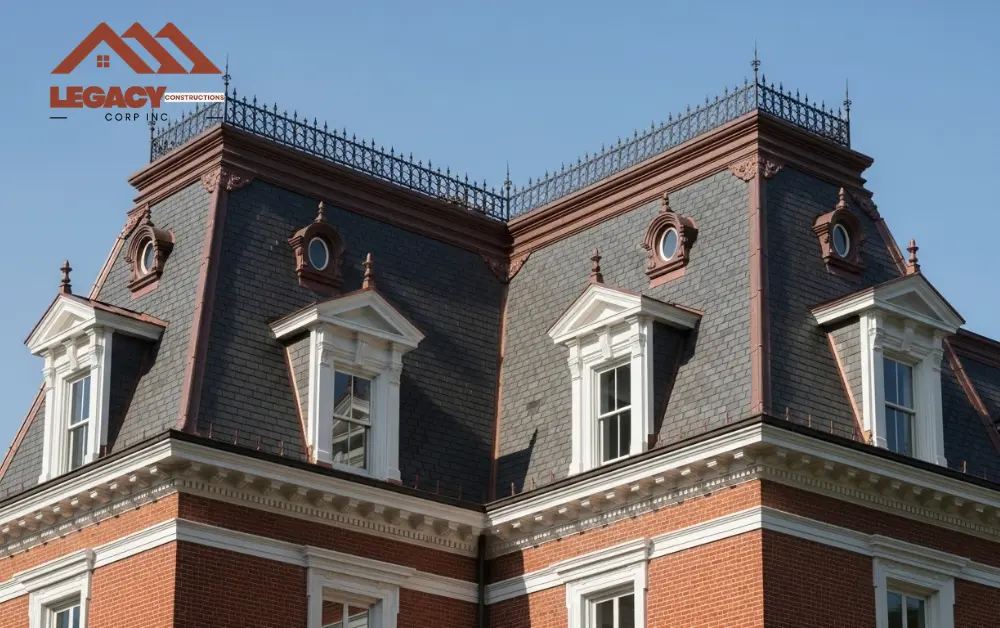
The mansard roof is a premium option among different types of roofing styles. The mansard roof is a four-sided roof with a double slope on each side, where the lower slope is significantly steeper than the upper portion. This design originated in France but is widely used in upscale U.S. architecture.
The biggest advantage is the additional living space it creates. Homeowners can convert the attic into bedrooms, offices, or rental units, making it a great investment for increasing property value.
Lifespan: 40–70 years
Cost: $8-$15 per square foot
Pros
- Maximizes Interior Space:
One of the best roof styles for adding usable square footage. - High-End Aesthetic Appeal:
Adds elegance and architectural character. - Flexible Design Options:
Can accommodate dormer windows and expansions.
Cons
- Expensive Construction & Repairs:
Complex structure increases labor and material costs. - Maintenance Complexity:
More joints and angles increase the risk of leaks if not properly maintained.
Best For
- Luxury homes
- Urban properties needing extra space
- Historic-style buildings
5. Asphalt Shingles Roofs (Most Widely Used in the U.S.)
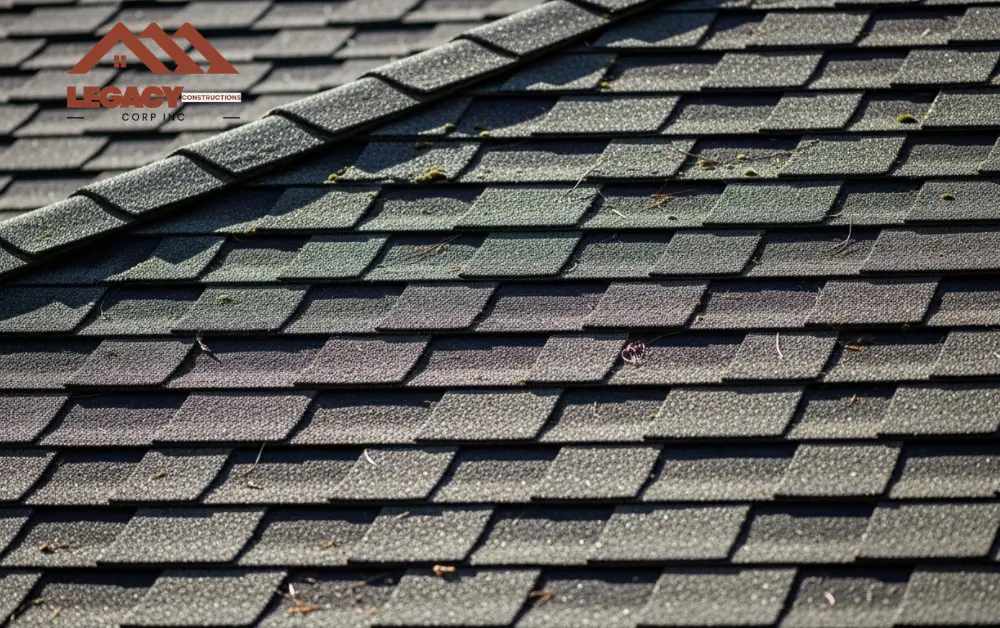
Among all different type of roofing materials, asphalt shingles dominate the U.S. roofing market because they offer the best balance of affordability, performance, and ease of installation. Available in 3-tab and architectural styles, they can mimic more expensive materials at a lower cost.
Cost: $6 and $10 per square foot
Lifespan: 20 to 30 years
Pros
- Budget-Friendly: Ideal for most homeowners
- Quick Installation: Reduces labor costs
- Versatile Design Options: Wide range of colors and textures
Cons
- Shorter Lifespan: Compared to premium materials
- Weather Sensitivity: Can crack or lift in extreme conditions
6. Metal Roofing (High-Performance Option)
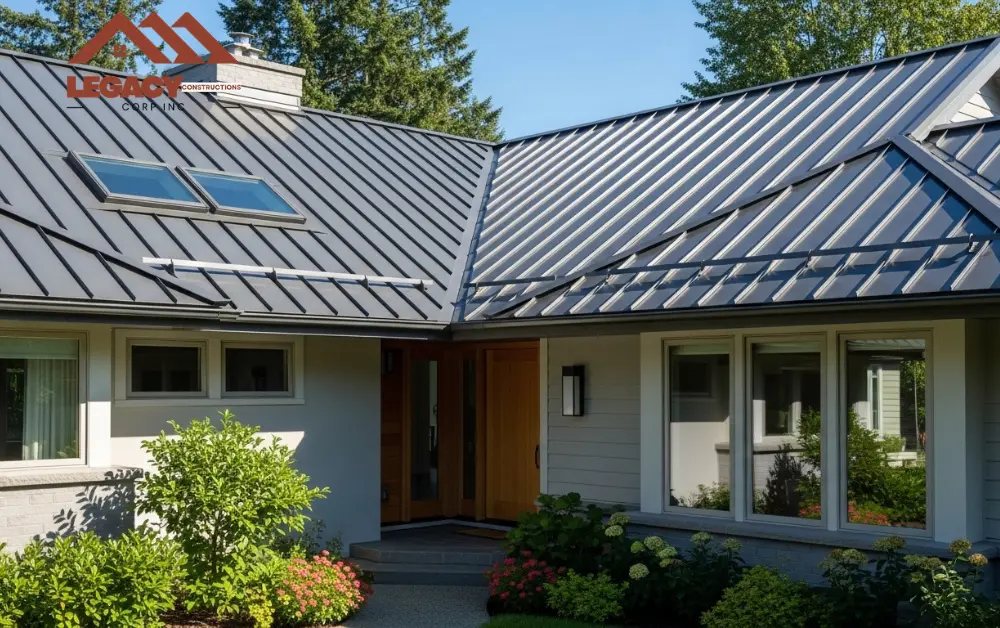
Metal roofing is gaining popularity among the different type of roofs due to its exceptional durability and energy efficiency. It reflects sunlight, helping reduce cooling costs, especially important in warmer US climates.
Cost: $10 and $18 per square foot
Lifespan: 40 to 70 years
Pros
- Long-Term Investment: Can last 50+ years
- Energy Savings: Reflects heat and lowers utility bills
- Fire & Weather Resistant: Performs well in extreme conditions
Cons
- Higher Initial Cost
- Noise Factor Without Insulation
7. Slate Roofs (Premium & Longest-Lasting)
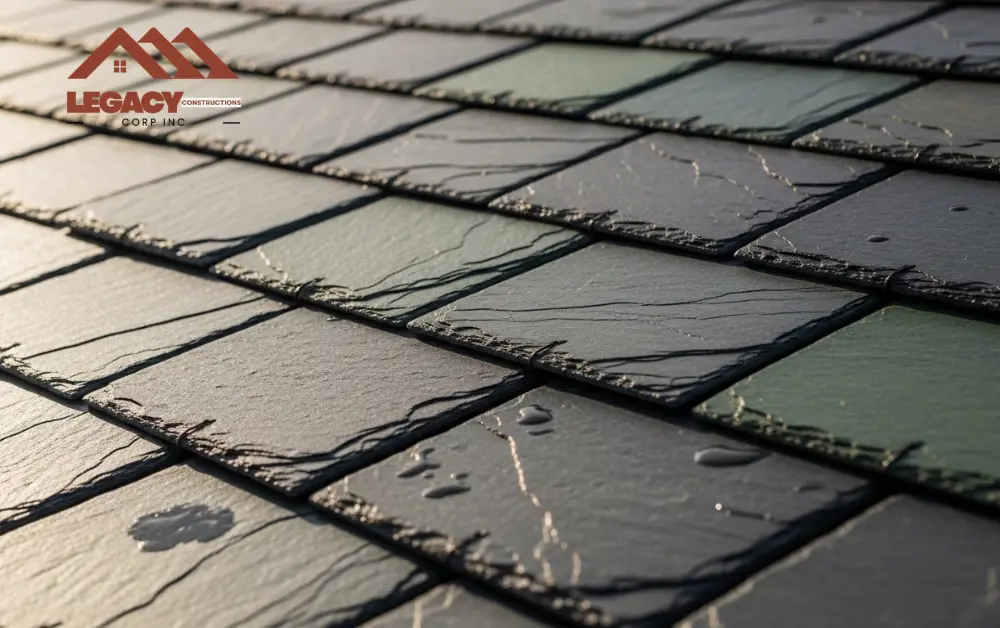
Slate is considered the highest-quality roofing material available. Made from natural stone, it offers unmatched durability and lifespan.
Cost: $20 and $40 per square foot
Lifespan: 75 to 100+ years, natural slate
Pros
- Can Last Over 100 Years
- Minimal Maintenance Required
- Timeless, Luxury Appearance
Cons
- Very Expensive Installation
- Heavy Weight Requires Structural Support
Conclusion
If you’re still asking what are the different types of roofs and which one is best, the answer depends on your budget, climate, and long-term goals. Each roofing type offers unique advantages, from affordability to durability.
To get the best results, work with professional roofing contractors in the Bronx who understand local building standards and weather conditions. Schedule your free inspection today and get a roofing solution designed to last.
FAQs
1. What type of roof works best for homes in the Bronx, NY?
In the Bronx, the best roof depends on your property type and exposure to weather. Flat roofs are common for multi-family buildings and row houses, while gable and hip roofs are more popular in residential neighborhoods. Because of heavy rain, snow, and seasonal temperature changes, homeowners often choose materials like asphalt shingles or metal roofing for durability and cost-efficiency.
2. Are flat roofs a good choice for Bronx buildings?
Yes, flat roofs are widely used across the Bronx, especially on apartment buildings and commercial properties. They’re practical for urban living because they provide usable space for HVAC systems, solar panels, or rooftop decks. However, proper drainage and waterproofing are critical to prevent leaks, especially during New York’s rainy and snowy seasons.
3. Which roof type is best for handling snow and rain in New York?
Gable roofs and hip roofs perform well in New York’s climate because their sloped design allows snow and water to drain off easily. Flat roofs can also work effectively, but they must include proper drainage systems to prevent water pooling and structural damage.
4. What is the most affordable roofing option in the Bronx?
Asphalt shingles are the most affordable and widely used roofing option for Bronx homeowners. They offer a good balance between cost, durability, and ease of installation. For flat roofs, EPDM and TPO are also cost-effective choices.
5. Which roofing material is best for energy efficiency in NYC?
Metal roofing and reflective flat roofing systems (like TPO) are among the best for energy efficiency. They reflect sunlight and reduce heat absorption, which helps lower cooling costs during hot New York summers.
