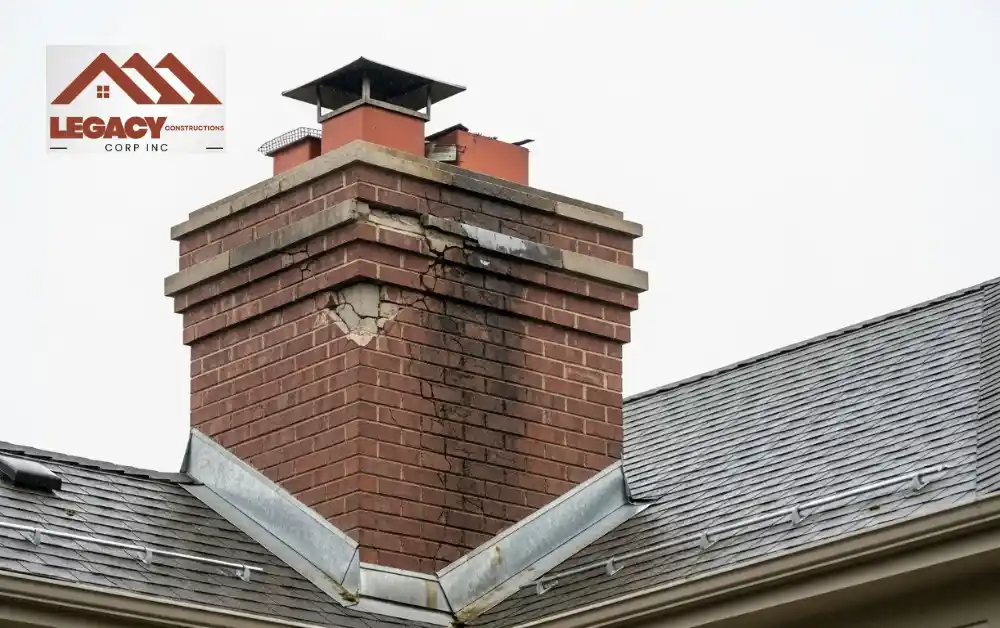
A leaking chimney is every homeowner’s worst nightmare. Even a small leak can lead to serious damage, from rust and mold to structural issues. Whether it’s a minor drip or a major leak, addressing it quickly can help avoid costly repairs.
In this article, we’ll explore the common causes of chimney leaks and offer solutions to fix them before they get worse. By acting early, you can protect your home and ensure your chimney stays in good condition.
Common Causes of a Leaking Chimney
1. Damaged Chimney Flashing
Chimney flashing is a metal strip that seals the gap where the chimney meets the roof, preventing water from entering. Over time, exposure to rain, snow, and wind can damage or wear out the flashing. When this happens, water can seep into the joints, leading to leaks and potential damage to your chimney and roof.
2. Cracked or Missing Mortar Joints
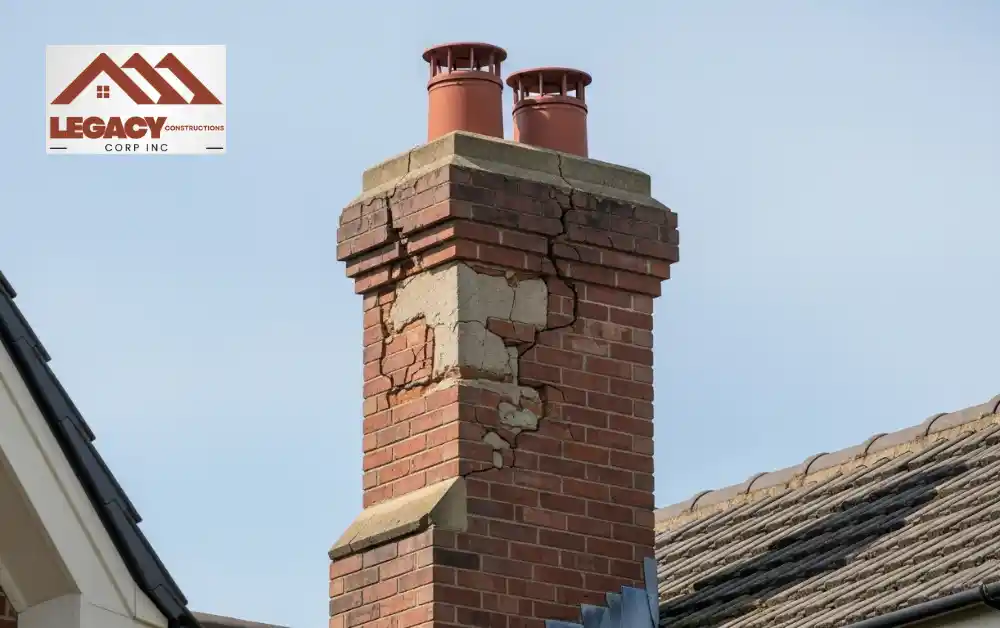
Mortar joints are the vital connections between the bricks or stones in your chimney. These joints help hold the structure together, but over time, they can crack due to age, temperature changes, or general wear. When mortar weakens or is missing, water can seep into gaps, causing damage not only to the chimney itself but also to the surrounding walls and areas.
3. Clogged Chimney Cap or Crown
The chimney cap, or crown, sits atop your chimney and is designed to block debris and prevent water from entering. However, if the cap is cracked or clogged, it can lead to water leaking around the chimney. Leaves, twigs, or other debris can obstruct the cap, trapping moisture and allowing water to leak into the chimney structure. This increases the risk of damage to both the chimney and the surrounding areas.
4. Missing or Damaged Flashing Sealant
The flashing sealant around your chimney acts as an extra barrier to prevent water from entering. Over time, this sealant can wear out, especially in harsh weather conditions. When it deteriorates or is missing, water can seep into the chimney, causing potential leaks and damage.
5. Cracked Chimney Structure
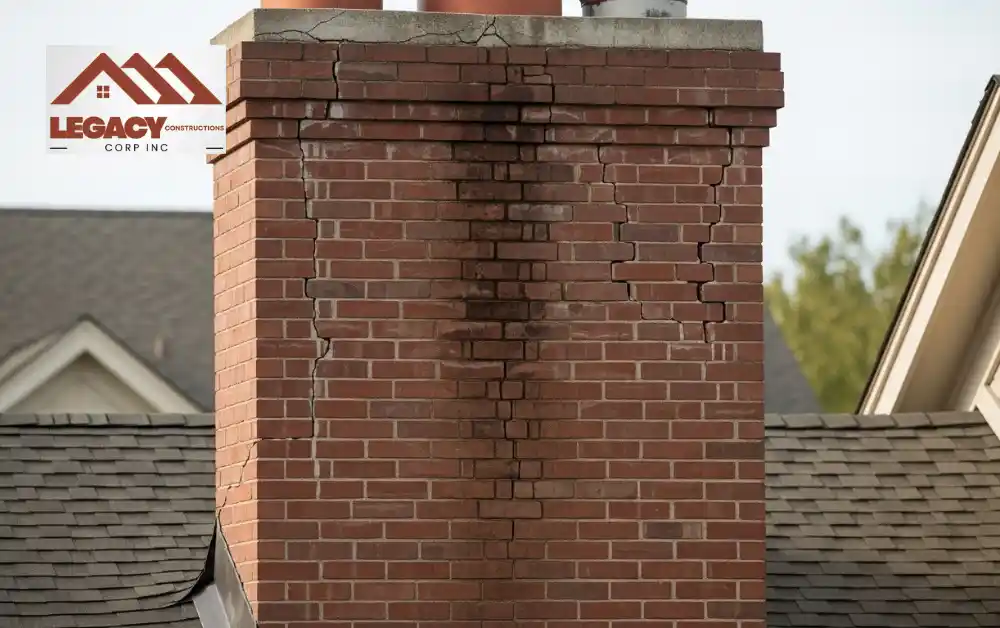
Cracks in the chimney structure itself can also cause leaks. These cracks may result from factors like settling foundations, extreme temperature changes, or poor construction. When the masonry cracks, it creates pathways for water to seep in, leading to leaks and potential damage to the chimney and surrounding areas.
6. Condensation Inside the Chimney
Condensation can also cause a leaking chimney, even when there are no visible cracks. When hot air from your fireplace meets the cooler air inside the chimney, moisture forms and drips down the chimney. This often-overlooked issue can create water buildup, leading to potential leaks and damage.
How to Fix Chimney Leaks
Fixing a leaking chimney involves several steps, each of which depends on the underlying cause. Below are some key guidelines to help you get started with the repair process:
1. Inspect the Chimney
The first step in fixing a leaking chimney is identifying the source of the leak. Look for visible signs of damage, such as cracked mortar, rusted flashing, or a missing chimney cap. A thorough inspection will help pinpoint the exact cause of the leak, allowing for a more targeted repair.
2. Clean the Chimney
Before starting repairs, it’s essential to thoroughly clean the chimney. This step involves removing any built-up debris, soot, or obstructions that could block the airflow. A clean chimney provides a clearer view of potential issues, such as cracks or damage, making it easier to identify the root cause of the leak.
3. Replace Damaged Flashing
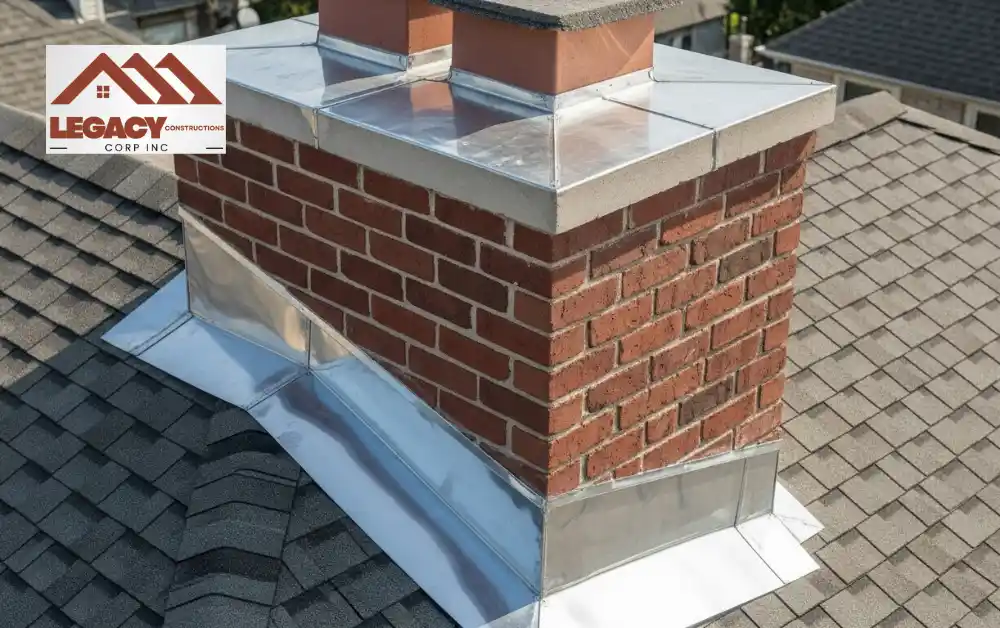
If the flashing is damaged, it’s crucial to replace it promptly. Flashing helps create a watertight seal around the chimney, so installing a new one will prevent water from leaking in. For a secure, long-lasting seal, it’s best to hire a professional specializing in roof leak repair to ensure proper installation.
4. Repoint or Replace Mortar Joints
Cracked or missing mortar joints can compromise the chimney’s structural integrity and cause leaks. To fix this, you can either repoint the joints or replace the mortar. The process involves removing the old mortar and filling the gaps with fresh material. For extensive damage, replacing the mortar may be necessary to ensure a secure and durable repair.
5. Install or Repair the Chimney Cap
The chimney cap serves as a barrier against water, debris, and animals entering the chimney. If it’s cracked, damaged, or clogged, it should be repaired or replaced. Cleaning the cap regularly ensures proper function, but if it’s beyond repair, replacing it maintains the chimney’s integrity.
6. Apply Waterproofing
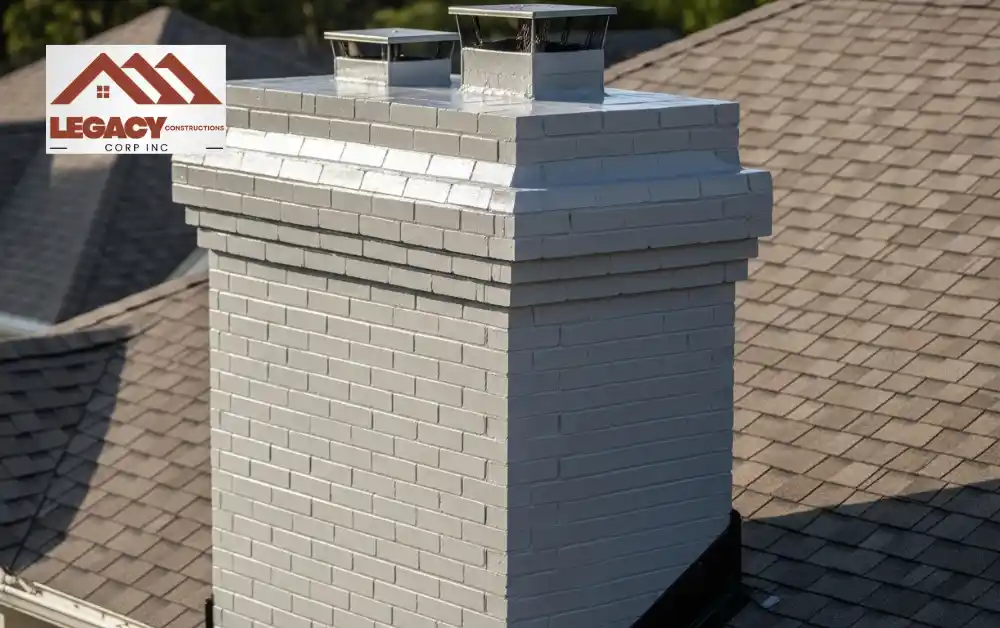
After completing repairs, applying a waterproofing sealant to your chimney is a smart step. This will protect the masonry from future water damage and reduce the risk of leaks. It’s particularly beneficial for areas that experience heavy rainfall or snowfall, ensuring long-term durability.
When to Call a Professional
If you’re uncertain about how to fix a leaking chimney, here are key signs it’s time to call in a professional:
- Persistent water after rain: If the leak continues even after attempting repairs, an expert can identify the underlying cause and fix it properly.
- Visible damage: Cracked bricks, deteriorating mortar joints, or a broken chimney cap often require specialized attention to prevent further damage.
- Water inside your home: If you notice stains on ceilings or damp walls near the fireplace, it usually indicates a more serious leak that needs professional repair.
- Musty odors or rust: Continuous moisture inside the chimney can lead to rust or unpleasant smells—problems best handled by a professional who can assess the damage.
- Roof or flashing issues: If the leak is related to the roof or flashing, a professional has the tools and experience to repair it safely and effectively.
- Lack of tools or experience: Chimney repairs often involve working at heights or using specialized tools. It’s safer and more efficient to leave this work to experts.
If you’re in the Bronx, hiring a professional is crucial. You can contact a reliable Roofing Contractor in the Bronx to get expert help with your chimney and roofing needs.
Prevent Chimney Leaks: Essential Maintenance Tips
While repairing chimney leaks is crucial, preventing them from happening again is even more effective. Here are some simple steps to protect your chimney:
- Regular Inspections: Check your chimney for cracks, rust, or other signs of damage to catch potential issues early and avoid costly repairs.
- Routine Maintenance: Schedule professional cleaning and maintenance to keep your chimney in top condition and prevent future leaks.
- Install a Chimney Cap: A properly fitted chimney cap prevents water and debris from entering, significantly reducing the risk of leaks.
- Waterproofing: Apply a waterproofing sealant to protect the chimney from water damage and ensure long-term durability.
Conclusion
A leaking chimney is more than just an inconvenience; it can cause significant damage if left unchecked. Even a small leak can lead to issues like water damage and structural problems. Whether it’s a minor drip or a larger leak, addressing it early can save you from expensive repairs. By following the steps in this article, you can effectively fix the leak and prevent future issues, keeping your chimney in excellent condition for years.
FAQs
How can I tell if my chimney is leaking?
Signs of a leak include water stains on walls or ceilings near the fireplace, rust on metal parts, damp or musty smells, and crumbling mortar. All of these point to water entering through the chimney.
Can a chimney leak be fixed without replacing the whole chimney?
Yes, many chimney leaks can be fixed by repairing the flashing, mortar joints, chimney cap, or sealant. Only severe structural damage may require partial rebuilding.
Is chimney waterproofing worth it?
Yes. Applying a waterproofing sealant helps protect the chimney from moisture damage, especially in areas with heavy rain or snow. It’s a preventive measure that can extend your chimney’s lifespan.
How often should I inspect my chimney for leaks?
It’s a good idea to inspect your chimney at least once a year, especially before and after winter. Early detection helps prevent small issues from becoming big problems.
