
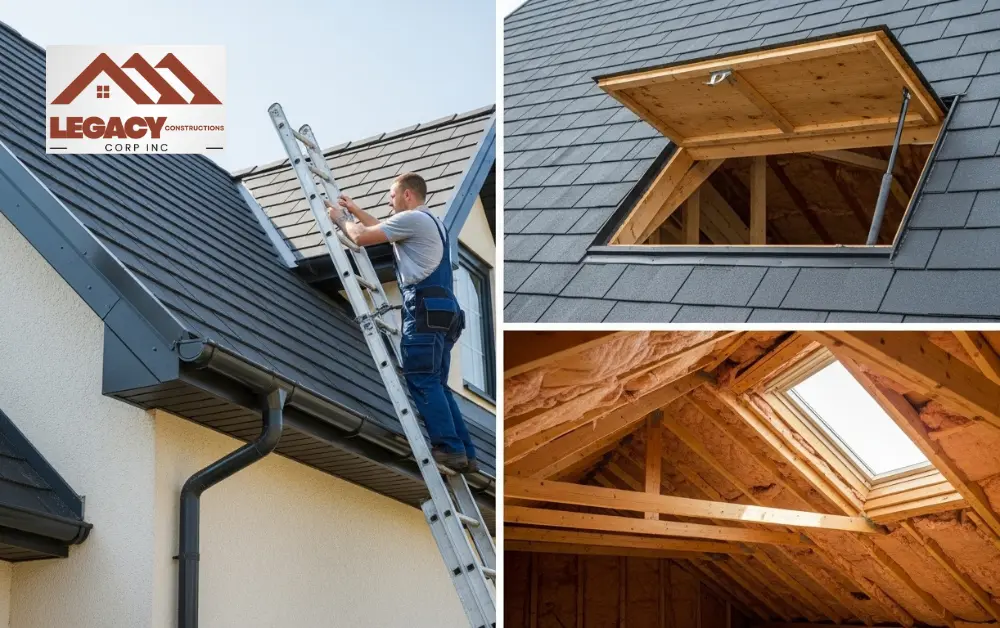
Your roof protects your home, family, and belongings every day. A regular roof inspection checklist helps you catch problems early before they turn into costly repairs. Small issues like damaged shingles or leaks can become major headaches if ignored.
This guide gives you a simple, step-by-step roof inspection checklist you can follow. You will learn what to check, how often to inspect, and the areas most prone to damage. You will also understand why regular roof inspections are essential to keeping your home safe and maintaining your roof’s lifespan.
The Importance of Regular Roof Inspections
Roof damage is not always visible from the ground, and small issues can quickly escalate into costly repairs if left unchecked. Following a regular roof inspection checklist helps you spot these issues early, plan repairs, and save money over time.
Professional roof inspection services can detect hidden problems you might miss. After storms, a storm damage roof inspection or hail damage roof inspection is crucial to identify issues caused by wind, hail, or heavy rain before they worsen. Regular inspections keep your roof in good condition and protect your home from costly damage.
How Often Should You Inspect Your Roof?
Inspect your roof at least twice a year. Spring and fall are the best times. After heavy storms, check your roof again. Storms can loosen shingles or damage the roof surface. Older roofs need more frequent checks. If your roof is 15 years old or more, check it often.
Essential Tools for a Successful Roof Inspection
You don’t need many tools to start. These basics help you inspect well:
- Sturdy ladder
- Flashlight
- Camera or phone for photos
- Binoculars for distant views
For hard‑to‑reach or steep roofs, a drone roof inspection is helpful. Professionals often use drones because they give a clear view of roof areas that are unsafe to reach.
Exterior Roof Inspection
Start your roof inspection by carefully inspecting the exterior surface. Walk around your home and observe the roof from the ground first. If it’s safe, use a ladder to get a closer look at hard-to-see areas.
Shingles and Surface Damage
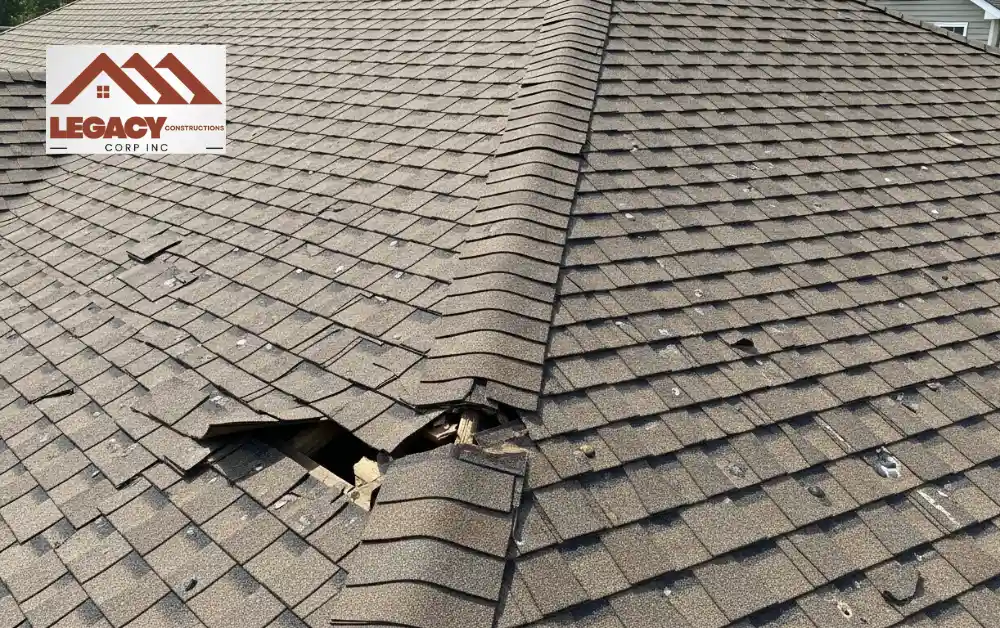
Look for broken, cracked, or missing shingles. Curled or lifted shingles can allow water to seep beneath. After hailstorms, even small dents or holes can lead to leaks over time.
Flashing and Seals
Flashing is the metal that surrounds roof penetrations like chimneys, vents, and skylights. Check for rust, cracks, or loose edges. Damaged flashing or worn seals can allow water into your roof structure, causing leaks.
Gutters and Downspouts
Clogged gutters make water pool on the roof, increasing the risk of leaks. Keep gutters clean of leaves and debris. Ensure downspouts direct water away from your home to prevent water damage.
Interior Roof Inspection
After checking the exterior, inspect inside your home. Many roof problems first show signs indoors.
Ceilings and Walls
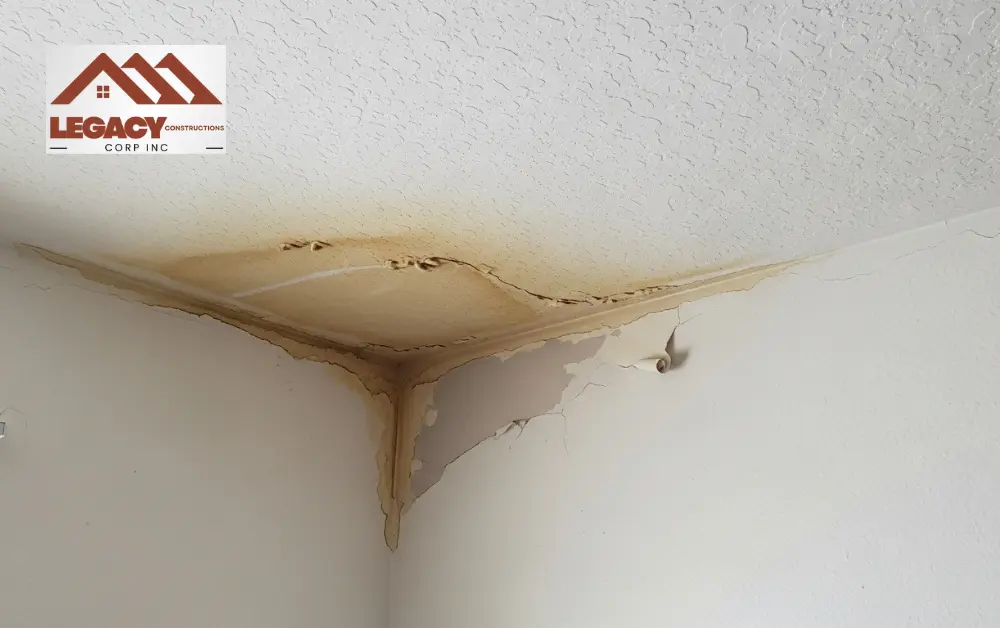
Look for water stains, discoloration, or peeling paint. These are often early signs of leaks. Ask family members if they’ve noticed damp spots or unusual marks.
Attic Check
If accessible, go into the attic. Check for wet insulation, mold, or damaged wood. Mold or mildew often appears before leaks are visible on walls. Catching these issues early is an important part of a roof inspection checklist.
Structural Roof Inspection
Some roof damage can be serious and requires prompt attention.
Roof Deck and Support
Check for sagging or soft spots on the roof deck. These may indicate rot or structural stress. Walk carefully if inspecting from above, or leave this step to professionals if you are unsure.
Rafters and Trusses
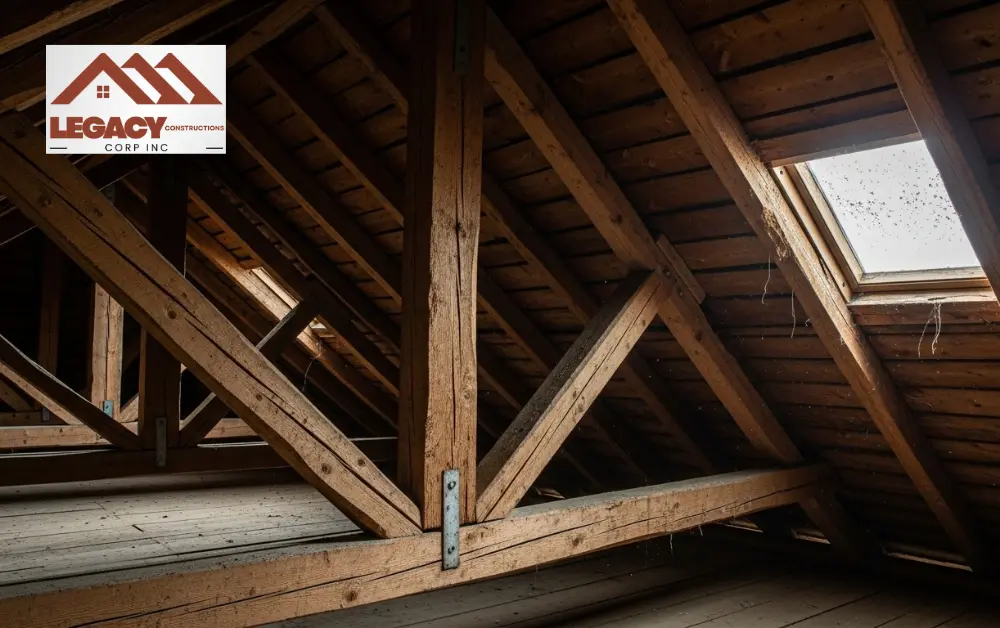
Inside the attic, look for cracked or bowed rafters and trusses. These beams support your roof. Damage here can weaken the structure and create safety risks.
Roof Leak Detection and Testing
If you suspect a leak but don’t see signs, you can test it with water. Spray water from a hose on areas you think might be problem spots. Have someone inside watch for drips or wet spots. This simple test can confirm leaks before they cause major damage.
Benefits of Professional Roof Inspections
Professional inspections spot hidden damage, prevent costly repairs, and keep your home safe.
- Professional roof inspection services provide thorough, accurate assessments.
- Experts can detect hidden damage, including subtle leaks, worn flashing, or structural weaknesses.
- Advanced tools, such as drones, enable safe inspection of hard-to-reach areas.
- You receive a detailed report with current issues, risks, and recommended repairs.
- Regular inspections help prevent costly repairs and extend your roof’s lifespan.
- Professional checks give you peace of mind by protecting your home from storms, hail, and wear and tear over time.
If you need reliable roof inspection or repair services in the Bronx and nearby areas, contact a trusted Roofing Contractor in Bronx today.
Conclusion
A well-maintained roof is essential for protecting your home and everything inside it. Regular inspections reveal small issues before they grow into costly problems. By checking both the interior and exterior, addressing damage promptly, and keeping up with routine maintenance, you can extend your roof’s lifespan and avoid unexpected repairs.
FAQs
What are the most common signs of roof damage?
Look for missing, cracked, or curled shingles, water stains on ceilings or walls, sagging roof areas, rusted flashing, or clogged gutters. Early detection helps prevent costly repairs.
What is a drone roof inspection, and when should I use it?
A drone roof inspection uses a drone to capture high-quality images of hard-to-reach or steep roof areas. It’s ideal for tall or complex roofs and provides a safe, accurate way to spot hidden damage.
How can I prevent roof leaks?
Regular roof inspections, cleaning gutters, trimming nearby trees, promptly repairing damaged shingles or flashing, and ensuring proper attic ventilation can prevent leaks and extend your roof’s lifespan.
What should I do after a hail or storm event?
Schedule a roof inspection for storm or hail damage as soon as possible. Look for dented shingles, loose flashing, broken tiles, or debris accumulation to prevent leaks and further damage.
