
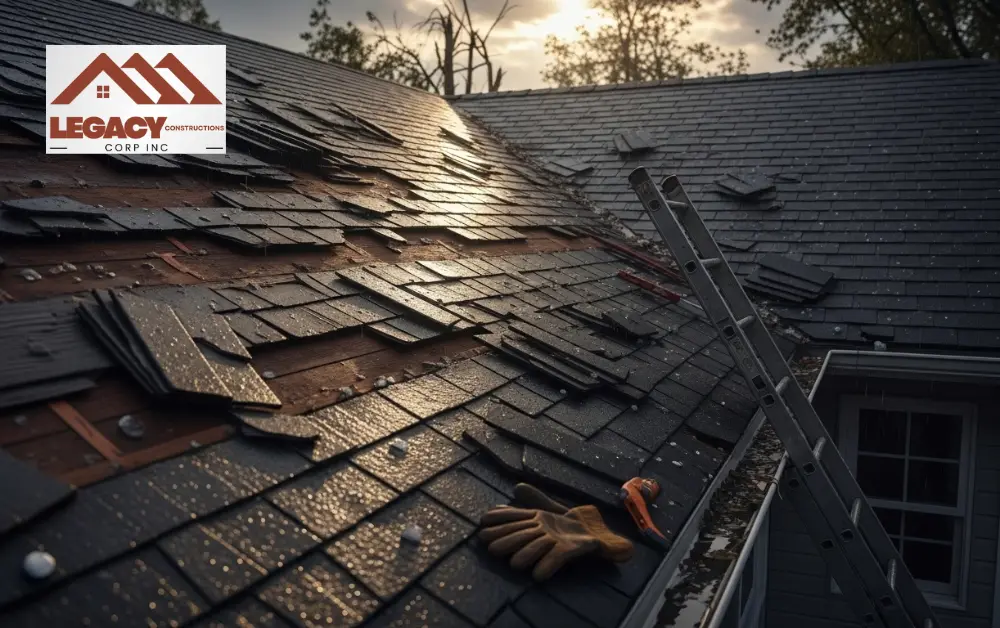
Storms can strike without warning, and your roof often takes the first hit. Missing shingles, leaks, or dents can appear after just one strong storm. Acting quickly can prevent bigger problems, save money, and keep your home safe.
In this article, as a Roofing Contractor in Bronx, we’ll explore how to inspect, repair, and handle storm damage. You will learn when to do minor fixes yourself, when to call professionals, and how emergency roof repair can protect your home.
Identifying Storm Damage on Your Roof
Storms can damage your roof in different ways. Wind, hail, and heavy rain are the most common causes. Strong winds can lift shingles, break vents, or damage flashing. Hail can crack or dent shingles. Rain can seep into your home if the roof is compromised.
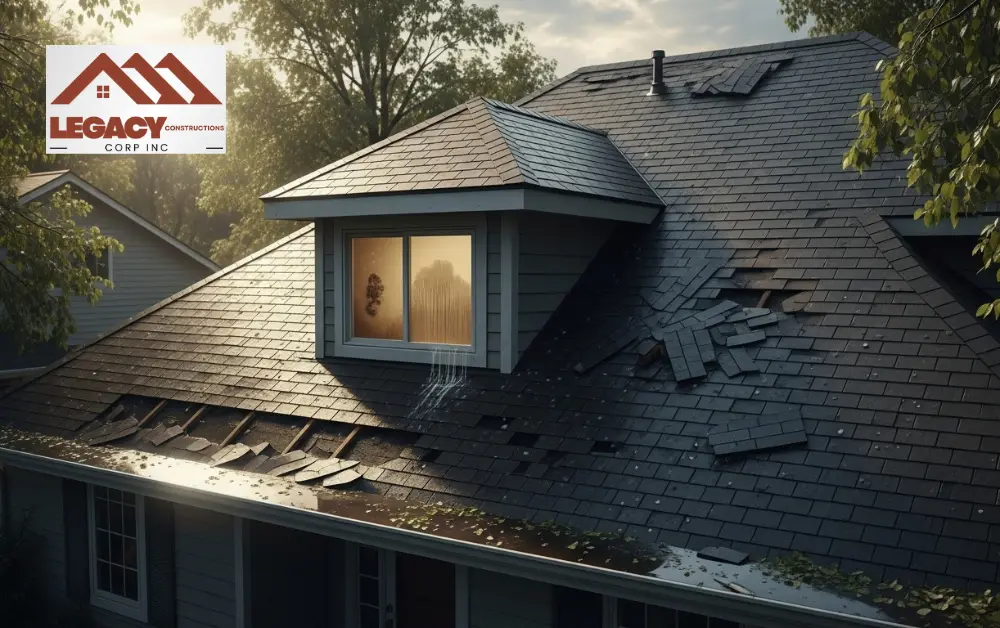
The first step in storm damaged roof repair is spotting the problem early. Inspect your roof carefully for missing shingles, broken tiles, dents, or leaks inside your home. Small issues can turn into bigger, costlier problems if ignored.
Safety First: How to Handle Storm Roof Damage
Never climb on a wet or unstable roof. Storms can make surfaces slippery and dangerous. Always use a ladder safely and have someone nearby to support you. Wear gloves and boots with a good grip to protect yourself.
If the damage is severe, call professionals for emergency roof repair. They have the right tools and training to handle unsafe conditions and ensure the job is done correctly. Following these steps keeps you safe while addressing storm damage.
Roof Inspection: Spotting Storm Damage Early
Start with a visual inspection from the ground. Look for:
- Shingles that are missing or curled
- Roof tiles that are cracked or broken
- Dents from hail
- Loose gutters or flashing
Next, check your attic for water stains or leaks. Even small leaks can signal bigger problems. This initial roof inspection helps you decide whether you can handle minor repairs yourself or need professional help.
Documenting Roof Damage
After a storm, take thorough photos of every area of your roof. Capture missing or curled shingles, cracked tiles, dents from hail, and any damaged flashing or gutters. Note the specific areas affected by wind or hail and any leaks you find inside your attic or ceilings.
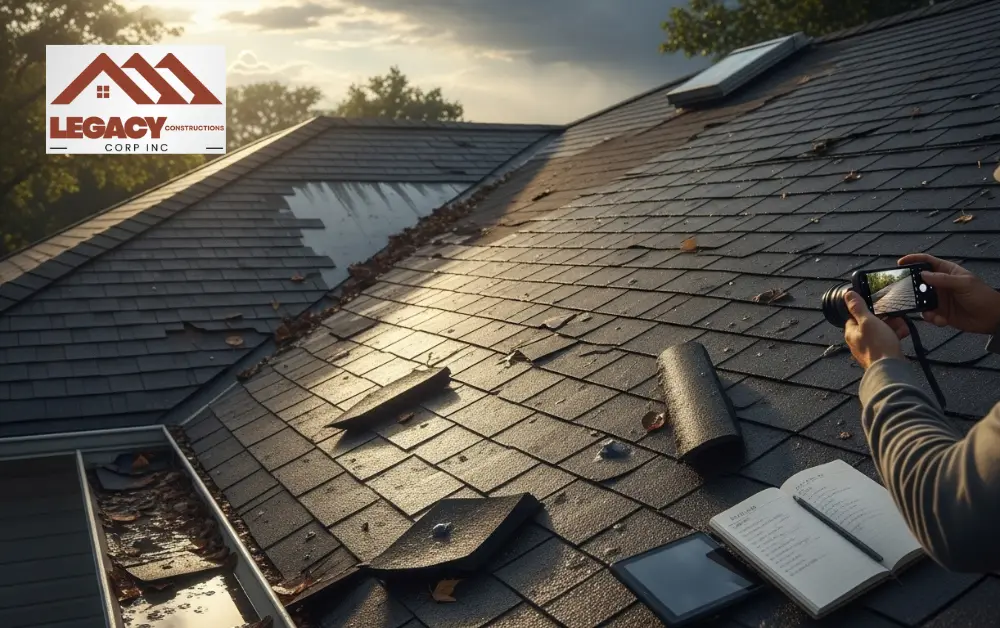
Write down dates, times, and descriptions of the damage. This record is very useful for insurance claims because companies usually require clear evidence before approving repairs. Documenting early can also speed up hail-damage roof repair claims and prevent disputes over coverage. Keeping detailed records ensures your repairs are handled efficiently and that you receive the support you need.
Storm Damage Roof Repair: Insurance Guide
Contact your insurance company as soon as possible after a storm. Provide clear documentation and photos of all roof damage, including missing shingles, hail dents, and lifted flashing. This evidence is essential for filing claims efficiently.
Ask your insurer specifically about coverage for storm-damaged roof repair, including hail damage repair roof and wind-damaged roof repair. Understanding your policy upfront helps you avoid unexpected costs, and you receive the support you’re entitled to.
Keeping organized records and communicating promptly with your insurance provider makes the repair process smoother and helps you get your roof restored quickly.
Fixing Storm Damage: When to DIY and When to Call Experts
Knowing which roof repairs you can handle yourself and when to call a professional helps prevent bigger problems. This section explains simple DIY fixes and situations that need expert attention.
DIY Storm Roof Repairs
If the damage is minor, you may be able to handle it yourself. Common DIY fixes include:
- Replacing a few missing shingles
- Sealing small cracks
- Tightening loose flashing
Use roofing nails and sealant, and make sure your repairs match the existing shingles. Minor repairs prevent leaks and stop damage from worsening, keeping your roof in good shape.
When to Call Professionals
Some situations need expert help. Contact a storm damage roof repair service if:
- Large sections of shingles are missing
- The roof structure is compromised
- Water is leaking inside your home
If you need emergency roof repair in the Bronx, contact a trusted roofing company in the Bronx. Professionals can handle repairs safely, use high-quality materials, and ensure your roof stays secure after a storm. Knowing when to hire experts protects your home and prevents costly damage.
Hail and Wind Damage Repair Tips
Storms can leave your roof with hail or wind damage. Some problems may not be obvious until later, so inspecting your roof after every storm is important.
Hail Damage Repair Tips
Hail can leave small or large dents and crack shingles. To handle hail damage:
- Inspect your roof carefully after each hailstorm
- Look for cracked shingles and dents
- Replace damaged shingles promptly
Ignoring hail damage can lead to leaks and shorten your roof’s life. Hail-damage roof repair is essential for keeping your home protected.
Wind Damage Repair Tips
Strong winds can lift shingles or tear off sections of your roof. To manage wind-damaged roof repair:
- Check for missing or lifted shingles
- Inspect flashing and vents
- Reinforce areas prone to wind damage
Delaying repairs after wind damage can worsen the problem. Address issues quickly to prevent leaks and structural damage. Regular inspections and timely repairs keep your roof safe and durable.
Protect Your Roof from Future Storms
After completing repairs, take steps to protect your roof and prevent future damage:
- Trim trees near your roof to avoid broken branches during storms
- Inspect your roof regularly for signs of wear or damage
- Replace old or weak shingles before they fail
- Consider installing storm-resistant roofing materials for added durability
Regular preventive maintenance reduces the risk of costly storm damage and future roof repairs, keeping your home safe.
Conclusion
Storms can cause serious damage to your roof, and acting quickly is key to protecting your home. Early assessment, proper documentation, and knowing when to call a professional help ensure repairs are done efficiently and prevent further issues.
Staying proactive with inspections and addressing problems promptly keeps your roof in good condition. This not only preserves the structure of your home but also maintains its safety and long-term value, giving you peace of mind through future storms.
FAQs
How can I tell if my roof was damaged by a storm?
Check for missing shingles, cracked tiles, hail dents, damaged flashing, or leaks inside your home.
Can I fix storm damage on my roof myself?
Minor issues, such as a few shingles or small cracks, can be repaired yourself. Hire a professional for major damage.
Does homeowners insurance cover roof damage from storms?
Most policies cover hail, wind, and storm damage. Document the damage and contact your insurer promptly.
How soon should I repair my roof after a storm?
Inspect immediately and repair minor damage quickly. Major damage should be fixed as soon as possible.
