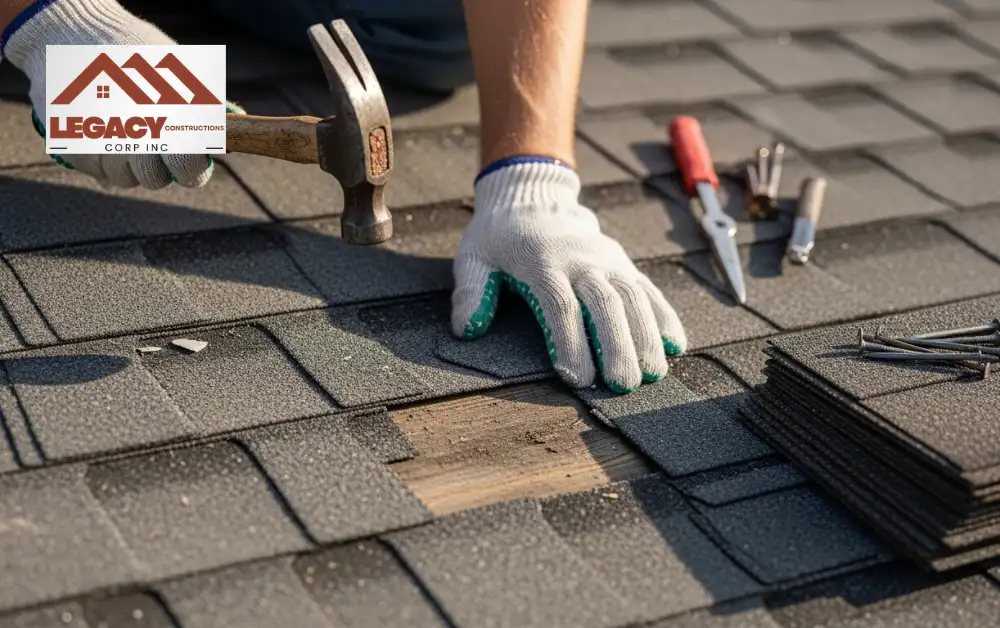
Roofs are one of the most important parts of your home. Even the best roofs can show wear over time. Cracked shingles, leaks, or sagging spots can leave you wondering how much does it cost to repair a roof in 2026. The cost depends on your roof’s size, material, and the damage. Knowing these numbers can save you a lot of headaches.
In this guide, we are sharing tips from an experienced roofing company. You will learn the average roof repair cost, the main factors that affect it, and practical ways to plan your budget. Following this advice helps you handle repairs confidently. It also prevents surprises that often catch homeowners off guard.
Average Roof Repair Costs for Different Materials
Here’s a closer look at the average cost of roof repair depending on roofing material:
Asphalt Shingle Roofs
Asphalt shingles are the most common roofing material in the U.S. They are affordable and easy to repair, making them a popular choice for many homeowners.
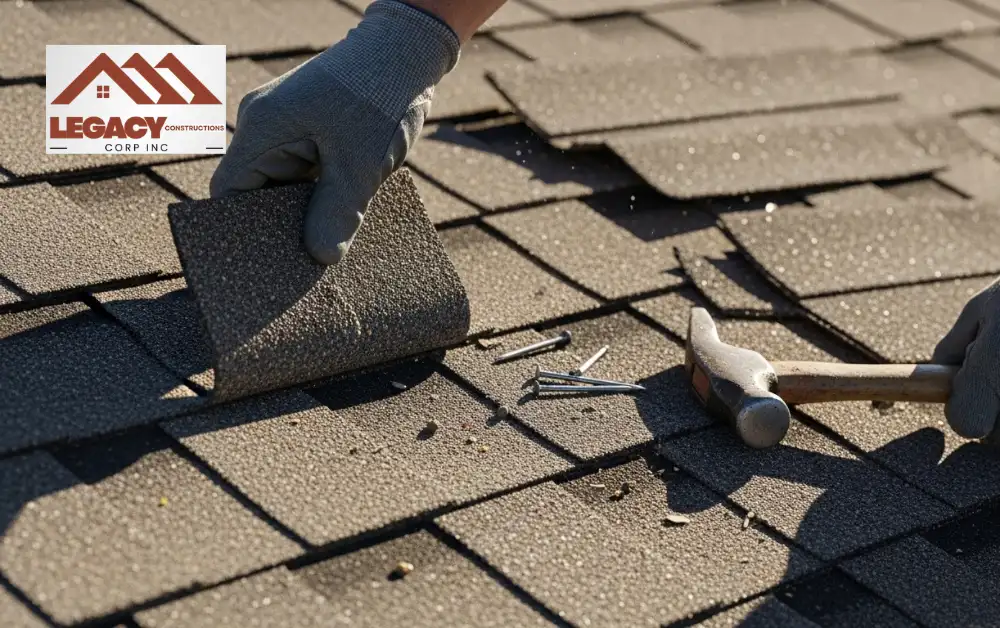
Repair costs for asphalt shingles:
- Minor repairs: $150–$400
- Moderate repairs: $400–$1,000
- Major repairs: $1,000–$3,000
Because asphalt shingles are lightweight, labor costs are usually lower compared to heavier roofing materials. This makes the cost to repair a roof more manageable for small and medium repairs.
Metal Roofs
Metal roofs are durable and long-lasting, but they are more expensive to repair than asphalt shingles. The roofing repair cost depends on the type of metal and the complexity of the roof.
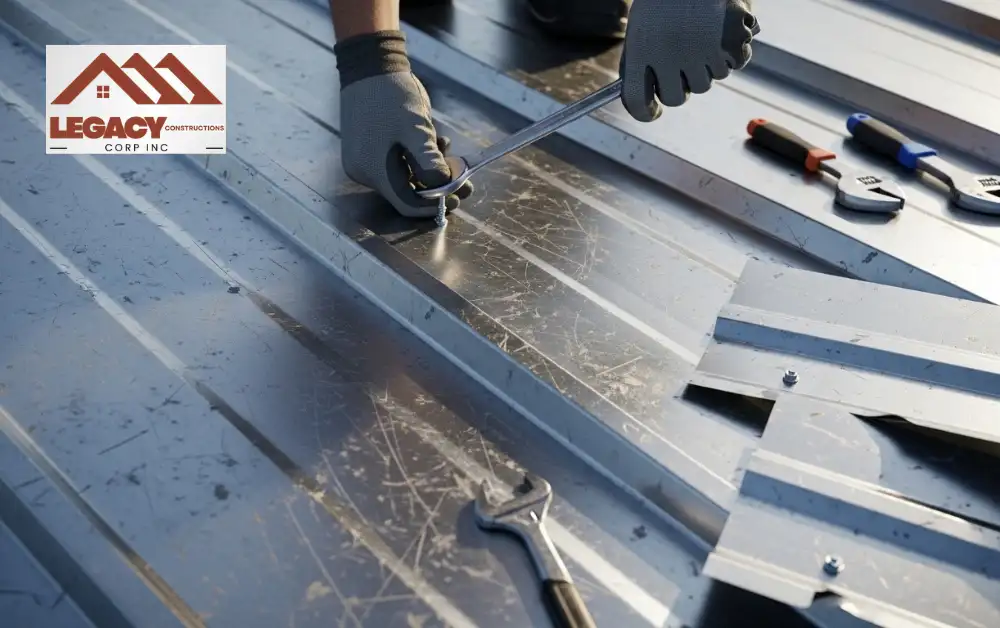
Repair costs for metal roofs:
- Minor repairs: $200–$500
- Moderate repairs: $500–$1,500
- Major repairs: $1,500–$5,000
Metal roof repairs often require specialized tools and experience. Properly done repairs ensure the work is completed correctly and safely, which helps avoid extra costs later.
Tile or Slate Roofs
Tile and slate roofs are beautiful and long-lasting, but repairs can be expensive. Cracked tiles often need individual replacement, and structural damage can become extensive.
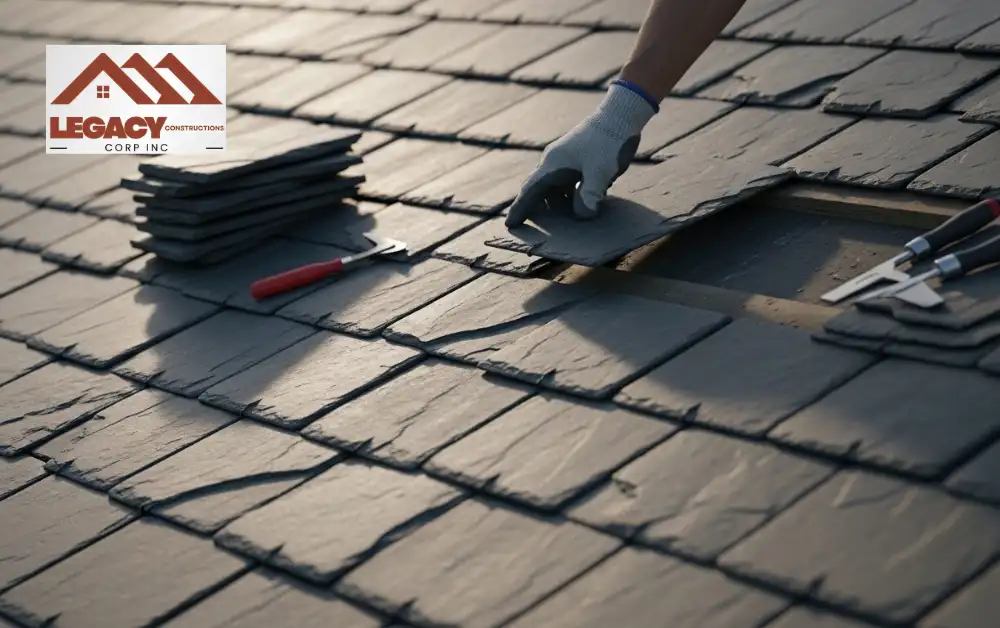
Repair costs for tile and slate roofs:
- Minor repairs: $300–$600
- Moderate repairs: $600–$2,000
- Major repairs: $2,000–$7,000
Because these roofs are heavy and fragile, repairs require skill and care. Hiring an experienced roofing contractor can save time, money, and prevent further damage.
Factors That Affect the Cost of Roof Repairs
Understanding the factors that impact roof repair costs helps you make informed decisions. Here are the main factors:
1. Roof Size and Slope
The bigger your roof, the more materials and labor you’ll need. Steep roofs are tricky to work on and can increase the cost to repair a roof by 20–30 percent. Knowing your roof’s size and slope upfront helps you plan your budget and avoid unexpected expenses.
2. Age of the Roof
Older roofs often hide problems like rot, weakened shingles, or water damage. Repairs on these roofs usually cost more because multiple layers may need attention. Knowing your roof’s age helps you plan for extra expenses and avoid unexpected roof repair costs. Regular inspections can catch issues early and save you money in the long run.
3. Type of Damage
Different types of roof damage come with different repair costs:
- Leaks: Minor leaks usually cost $150–$400 to fix.
- Storm Damage: Wind, hail, or heavy storm damage can range from $500–$2,000 depending on severity.
- Structural Damage: If your roof deck or trusses are damaged, repairs can cost several thousand dollars.
Understanding the type of damage helps you estimate your roof repair costs more accurately and plan your budget accordingly.
4. Material Costs
Material prices can change depending on supply and demand. Asphalt shingles are usually the cheapest option, while metal, slate, and tile roofs are more expensive to repair. Knowing the roofing repair cost for each material helps you plan your budget and choose the right solution for your home.
5. Labor Costs
Labor can account for 40–60% of the total cost to repair a roof. Hiring licensed and insured contractors may cost more, but it ensures the work is done safely and correctly. Investing in quality labor can prevent mistakes and save money on future repairs.
Cost to Repair Roof by Damage Type
Here’s a breakdown of roof repair costs based on common types of damage:
- Small leaks: $150–$400
- Missing shingles: $200–$600
- Minor storm damage: $500–$1,500
- Roof deck replacement: $1,500–$5,000+
- Flashing repair: $150–$500
- Gutter and drainage repair: $200–$800
Knowing the type of damage and its typical cost helps you budget effectively and plan repairs without surprises.
Signs You Need a Roof Repair
Knowing when to repair your roof can save you a lot of money. Watch for these warning signs that roof repair costs may be coming soon:
- Water stains on ceilings or walls – a sign of leaks inside your home.
- Missing, cracked, or curling shingles – your roof is losing its protection.
- Mold or moss growth – indicates trapped moisture that can damage your roof.
- Sagging areas or structural damage – urgent repair needed to prevent collapse.
- Higher energy bills – poor insulation caused by roof damage can make heating and cooling less efficient.
Fixing small issues early can significantly reduce the average cost of roof repair and prevent bigger problems later.
Should You Fix Your Roof Yourself or Call a Professional?
Deciding between DIY and professional repairs can save you time, money, and headaches. Knowing which approach suits your situation helps you avoid mistakes and unexpected roofing repair costs.
When DIY Roof Repairs Make Sense
DIY repairs are best for small, simple issues. You can consider them if:
- You have minor leaks or a few damaged shingles.
- The roof is low-slope and easy to access.
- You have the right tools and basic skills.
Materials for DIY repairs usually cost $50–$300. Be careful—mistakes can worsen damage and increase roofing repair costs later.
When to Hire a Professional
Professional repairs are safer for anything beyond minor fixes. Consider a contractor if:
- The damage is major, like structural issues or storm damage.
- Your roof is steep, complex, or made of heavy materials like metal or tile.
- You want long-lasting results and to avoid future problems.
Professional repairs usually range from $300–$5,000 depending on the damage. Hiring a professional roof repair service ensures the work is done safely and correctly, protecting your home and your budget.
How Much Is It to Repair a Roof with Insurance?
If a storm or accidental damage hits your roof, insurance might cover part of the repair costs. How much depends on your policy:
- Standard homeowners insurance usually covers sudden, accidental damage.
- Wear and tear, or poor maintenance, is generally not covered.
- Always check with your insurance agent before scheduling repairs to know exactly what’s included.
Understanding your coverage can help reduce out-of-pocket expenses and avoid surprises when filing a claim.
Conclusion
Repairing a roof doesn’t have to be stressful. Knowing the average roof repair cost, common damage types, and factors that affect pricing helps you plan your budget and make informed decisions. Early repairs and regular inspections can prevent minor issues from turning into costly problems. Using a roof inspection checklist can make it easier to spot issues before they become serious.
Whether you handle small fixes yourself or hire a professional for bigger jobs, being prepared saves time, money, and headaches. Don’t forget to check your insurance coverage, as it can cover unexpected damage and reduce out-of-pocket costs. With the right approach, you can keep your roof strong and protect your home for years to come.
FAQs
How much does it cost to repair a roof in 2026?
The average roof repair cost in 2026 depends on your roof’s size, material, and damage. Minor repairs usually range from $150 to $1,500, while major repairs or full replacements can cost $5,000 or more.
How can I save on roof repair costs?
Regular inspections, addressing minor issues early, comparing quotes from licensed contractors, and checking insurance coverage can help lower costs.
How long does a roof repair take?
Small repairs may take a few hours to a day. Larger repairs or full replacements can take several days, depending on roof size, material, and weather conditions.
What are the most common types of roof damage?
The most common issues include small leaks, missing or damaged shingles, storm damage, roof deck issues, flashing problems, and gutter or drainage damage.
