
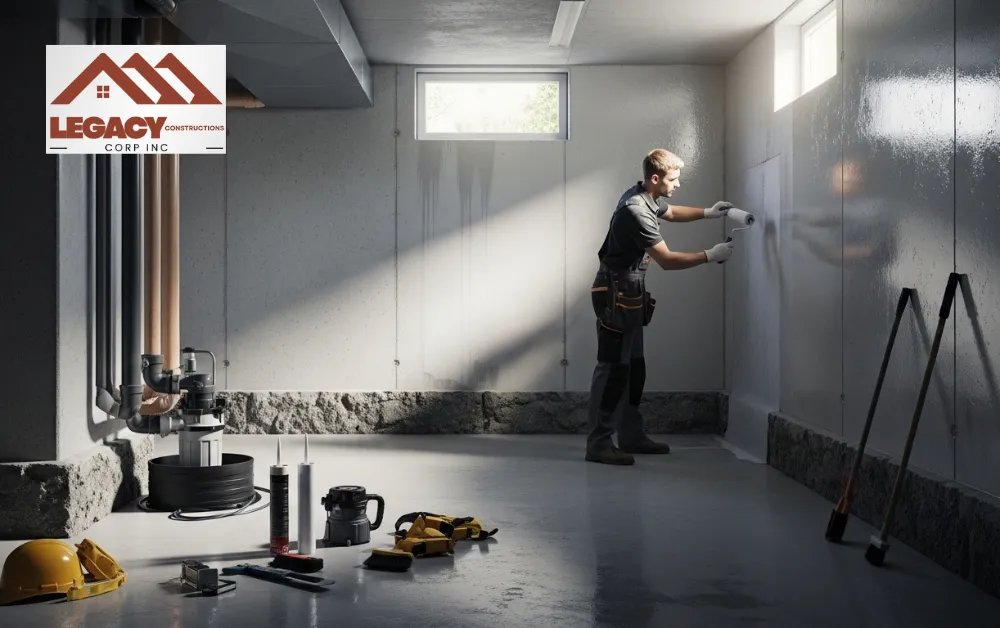
A wet basement can quickly turn from a minor annoyance into a costly problem. From small leaks to full-blown flooding, water in your basement can damage your belongings, weaken your home’s structure, and even lead to mould growth. Learning how to waterproof a basement is the key to keeping your home safe and dry, no matter the weather.
In this guide, we’ll explore proven basement waterproofing techniques, including both interior and exterior methods. As experienced roofers, we’ll share practical tips and tried-and-tested methods to help you protect your basement walls, floors, and foundation, tackling water issues like a pro.
Why Basement Waterproofing Matters
Water in your basement can cause serious problems, which is why basement waterproofing is so important. Basements are naturally prone to moisture, and over time, water can seep through cracks, leading to mold, structural damage, and ruined stored items.
Investing in waterproof basement walls protects your property, increases home value, and creates a healthier, drier space. Addressing these issues early prevents costly repairs and keeps your basement safe and comfortable for years.
Signs Your Basement Needs Waterproofing
Catching water problems early can save you a lot of trouble and expense. Here are the signs that it’s time to take action:
- Damp or wet spots on the basement walls or floors
- Visible mold or mildew growth
- Water stains on walls or flooring
- Cracks or gaps in the foundation
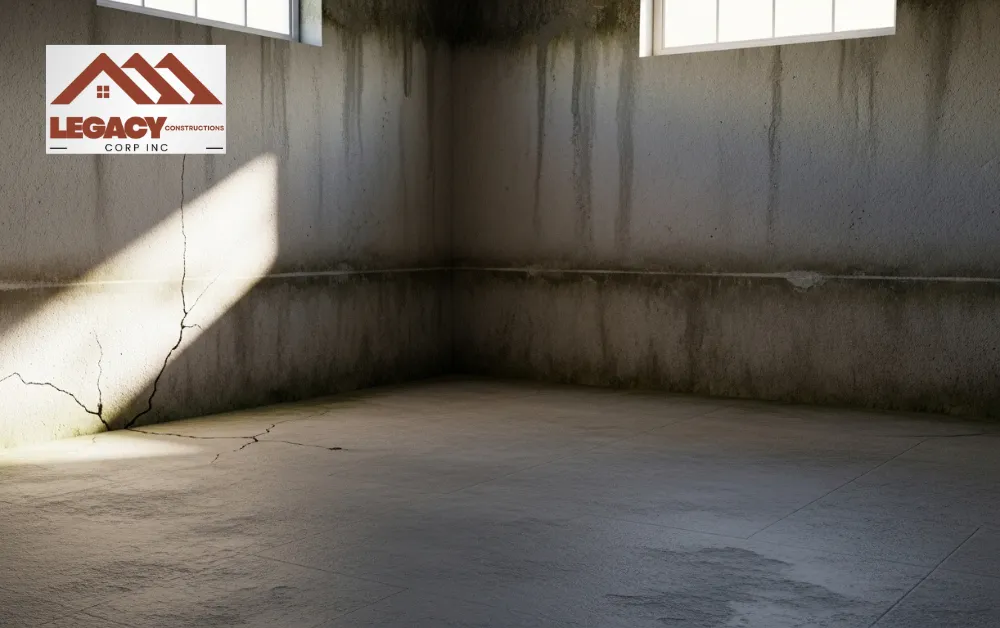
If you notice any of these issues, it’s time to start waterproofing basement walls from the outside or consider interior basement waterproofing solutions to protect your home.
Interior vs Exterior Basement Waterproofing
There are two main approaches to basement waterproofing: interior and exterior. Understanding both will help you choose the best solution for your home.
Interior Basement Waterproofing
Interior basement waterproofing is all about managing water once it enters your basement. It’s a practical and cost-effective way to keep your space dry without digging outside. Common methods include:
- Installing a basement wall waterproofing system using high-quality sealants
- Using sump pumps to quickly remove water
- Applying waterproof coatings on basement walls and floors
While this approach doesn’t prevent water from entering, it effectively controls moisture, keeping your basement safe and usable.
Exterior Basement Waterproofing
Exterior basement waterproofing prevents water from ever reaching your walls, providing long-term protection for your home. This method typically involves:
- Excavating around the foundation to access vulnerable areas
- Applying waterproof membranes or coatings to waterproof basement walls from the outside
- Installing drainage systems to redirect water away from the foundation
Although more labor-intensive than interior solutions, this approach is the most effective way to waterproof basement walls and prevent future water damage.
Step-by-Step Basement Waterproofing Guide
Follow this step-by-step guide to safely and effectively waterproof your basement walls and floor
1. Inspect and Clean the Basement
Start by carefully inspecting your basement for cracks, leaks, or visible moisture. Check walls, floors, corners, and around windows or pipes to spot potential problem areas. Identifying these early will help you target the most vulnerable spots and prevent future water damage.
Once the inspection is complete, clean the basement walls and floors thoroughly to remove dirt, dust, and mold. Ensure all surfaces are completely dry before applying any coatings or sealants. A clean, dry basement ensures that waterproof basement walls and floors adhere properly, giving your basement long-lasting protection.
2. Seal Cracks and Gaps
After inspecting your basement, the next step is to address any cracks or gaps you found. Use hydraulic cement or specialized fillers to seal these openings, paying special attention to corners, joints, and areas around pipes. Even small cracks can allow water to seep in over time, so this step is crucial for effective basement waterproofing.
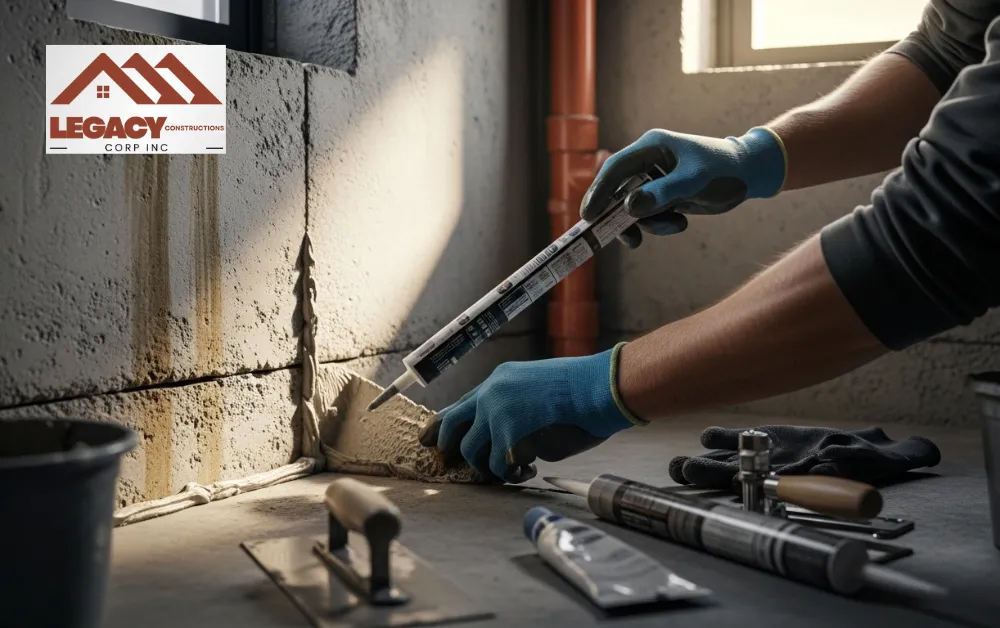
Sealing cracks not only prevents water from entering but also strengthens your basement walls. Once the cracks are properly filled, you can confidently apply coatings or other interior basement waterproofing solutions, knowingyour walls are fully protected.
3. Apply Waterproof Coatings
Once all cracks and gaps are sealed, it’s time to apply a waterproof coating to your basement walls and floors. Liquid waterproofing products are especially effective for interior basement waterproofing, as they create a seamless barrier that prevents water from seeping in.
Be sure to cover all corners, joints, and any previously damaged areas to ensure complete protection. Applying the coating thoroughly not only strengthens your basement walls but also keeps your floors dry, providing your basement with long-lasting protection against moisture and flooding.
4. Install a Drainage System
A proper drainage system is essential to prevent water from accumulating around your basement. Installing a French drain or a perimeter drainage system helps channel water away from your foundation, reducing the risk of leaks and flooding.
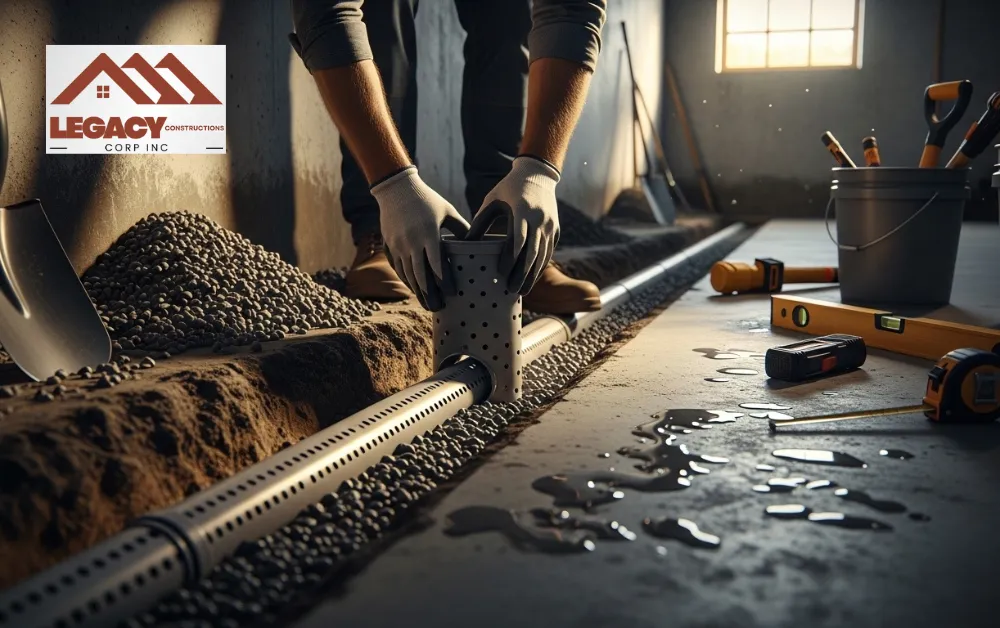
This step is especially important if you’re planning external basement waterproofing, as it complements the coatings and sealants you use. Proper drainage not only keeps your basement dry but also protects your home’s structure, giving you peace of mind during heavy rains.
5. Use a Sump Pump
A sump pump is an essential tool for effective basement waterproofing, especially in areas prone to heavy rainfall or high water tables. It collects any water that seeps into your basement and pumps it safely away from your home, preventing flooding and water damage.
Regular maintenance of your sump pump is key to keeping it reliable. Check it periodically to ensure it’s working properly, clean the pit, and test the pump before rainy seasons. A well-maintained sump pump keeps your basement dry and adds an extra layer of protection alongside other interior waterproofing measures.
6. Inspect Gutters and Landscaping
Many basement water problems actually start outside the home due to poor drainage. Check that gutters and downspouts are directing water away from your foundation, and remove any blockages that could cause overflow. Proper exterior water management is the first step in preventing leaks and flooding.
Additionally, ensure that landscaping slopes away from the house. Even a slight incline can make a big difference in keeping water away from your foundation. This simple yet crucial step complements any waterproofing of basement walls from the outside, helping your basement stay dry and protected in the long term.
Expert Tips for Long-Term Basement Protection
Waterproofing your basement isn’t just a one-time project—it requires regular care to keep your space safe and dry. Follow these expert tips over the years to maintain a fully protected basement:
- Reapply waterproof coatings every few years
- Check for new cracks or signs of moisture regularly
- Maintain sump pumps and drainage systems
- Avoid storing items directly on the basement floor
By following these steps, you can ensure your basement remains waterproof and protected against future flooding, giving you peace of mind and a safer, drier home.
The Benefits of Professional Basement Waterproofing
Hiring professionals keeps your basement dry, avoids costly mistakes, and delivers long-lasting results with the right tools and expert waterproofing techniques.
- Identify hidden leaks and weak spots in basement walls using professional inspection tools
- Properly seal cracks with high-quality materials that are hard to access for DIY methods
- Install effective drainage systems like French drains and sump pumps
- Prevent mold growth and structural damage through precise moisture control
- Save time and avoid costly DIY errors
- Ensure long-term protection against flooding with expert planning
- Access to specialized waterproofing coatings, membranes, and heavy-duty equipment
If you need dependable waterproofing services, contact a trusted roofing contractor in Bronx and nearby areas for expert solutions and long-lasting protection that keeps your home safe and dry year-round.
Conclusion
A wet basement may seem like a big problem, but with the right steps for basement waterproofing, it can be fixed and prevented. From sealing cracks to improving drainage, and from choosing interior basement waterproofing to exterior basement waterproofing, each step helps protect your home from water damage.
By learning how to properly waterproof a basement and maintaining it consistently, you can prevent flooding, protect your foundation, and enjoy a safe, dry basement for years to come.
FAQs
How long does basement waterproofing last?
Professional basement waterproofing can last 10–25 years or more, especially when exterior membranes and proper drainage systems are installed. Regular maintenance helps extend its lifespan.
How do I know if my basement needs waterproofing?
Signs include damp walls, musty odors, mold growth, visible cracks, peeling paint, or water stains. Even minor moisture issues should be addressed early to prevent structural damage.
What is hydrostatic pressure in basements?
Hydrostatic pressure occurs when groundwater builds up around your foundation and forces water through cracks and porous concrete.
How long does it take to waterproof a basement?
Interior waterproofing may take 1–3 days, while exterior waterproofing can take several days, depending on the project size.
