
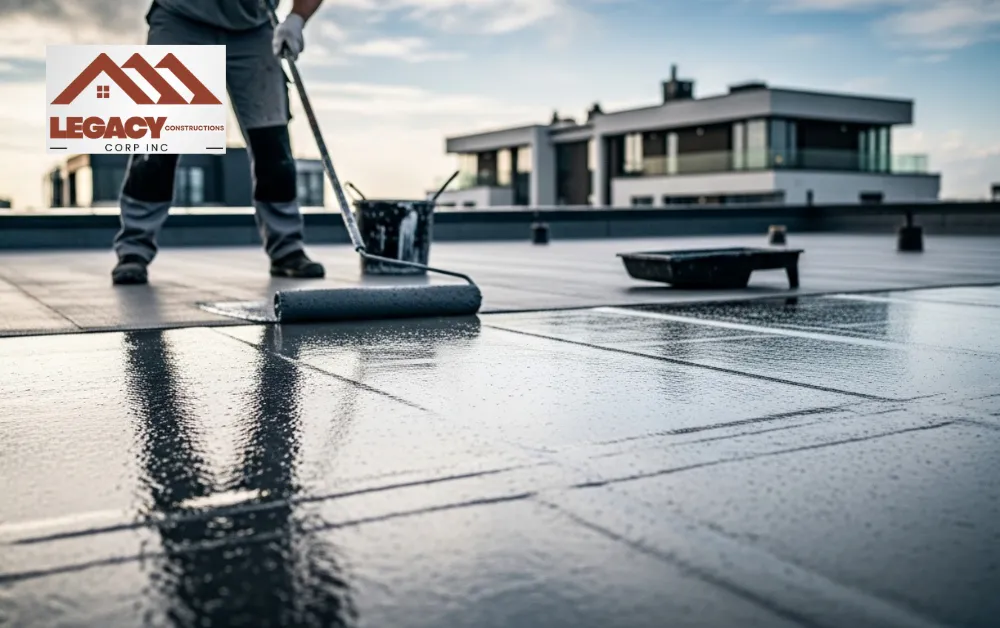
Flat roofs look clean and modern, but they have one common problem—water. Rain can sit on the surface and slowly seep through tiny cracks. Over time, these cracks turn into leaks, and leaks can lead to costly repairs. That’s why learning how to waterproof a flat roof is so important for every homeowner.
The good news is you don’t need complicated tools or special skills to get started. With the right approach, you can protect your roof and keep it leak-free for years. In this guide, you’ll discover simple and proven ways to waterproof and improve flat roof waterproofing, so your home stays safe and dry in any weather.
Why Flat Roofs Need Waterproofing
Flat roofs are not completely flat and usually have a slight slope to help water drain, but rain can still sit on the surface for a while. Over time, this water damages the roofing layer, and daily expansion from heat and shrinking at night creates cracks.
Without proper waterproofing protection, water can:
- Seep through small gaps and enter your home
- Damage insulation, reducing its effectiveness
- Weaken the roof structure and shorten its lifespan
- Cause mold, affecting indoor air quality issues
That is why many homeowners invest in strong flat roofing waterproofing before leaks appear. Doing it early saves both money and stress in the long run.
Signs Your Flat Roof Needs Waterproofing
Before you learn the best way to waterproof a flat roof, it is important to recognize the warning signs. Noticing these issues early can make repairs easier and prevent costly damage.
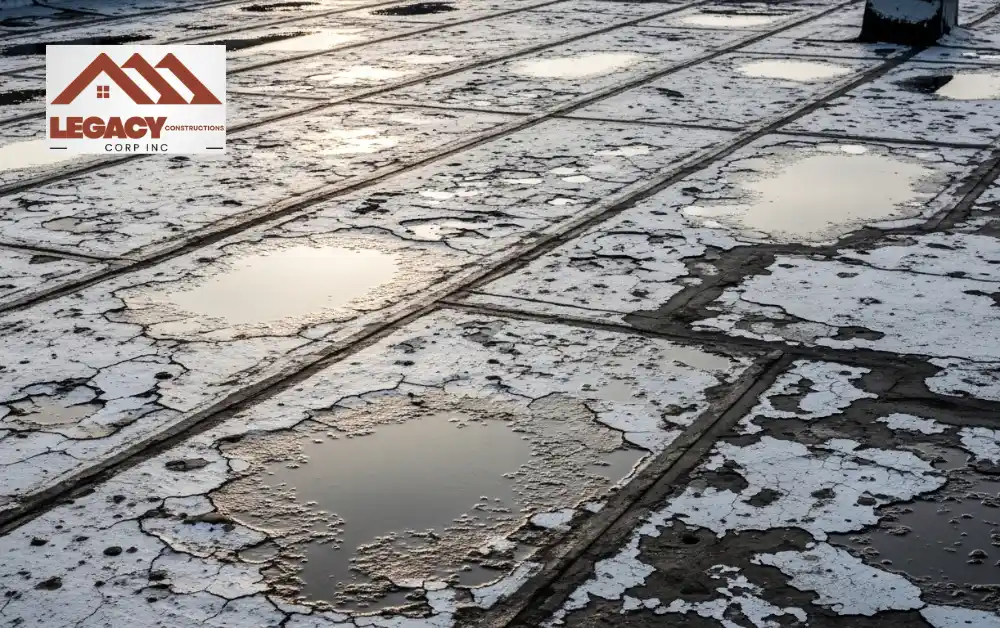
Common signs that your roof needs waterproofing include:
- Water puddles – Small pools of water after rain show the roof is struggling to drain.
- Cracks or blisters – Heat and age can cause the roofing layer to crack or bubble.
- Ceiling stains – Brown or yellow spots inside your home often mean water is entering.
- Peeling roof coating – If the top layer is peeling, the roof may no longer stay flat and waterproof.
Catching these signs early allows you to take action and maintain a strong, leak-free roof.
The Best Way to Waterproof a Flat Roof
There are several trusted methods to waterproof a flat roof, and the right choice depends on your roof type and needs.
1. Liquid Waterproof Coating
Liquid coating is one of the easiest ways. It works like thick paint that seals the entire surface and forms a rubber-like layer once dry. This method is especially popular because it covers small cracks and joints at the same time.
Why homeowners choose it:
- Easy to apply even for DIY projects
- Affordable compared to other roofing options
- Flexible material that adapts to temperature changes
- Great for small repairs and patching leaks
How it works:
The liquid spreads across the roof and dries to form a seamless waterproof membrane. This prevents rainwater from entering the structure. It is one of the most common methods for modern flat roof waterproofing.
2. Bitumen Membrane Waterproofing
Bitumen is a strong asphalt-based material that is widely used in roofing systems. This method involves laying sheets of waterproof membrane across the roof and bonding them with heat or adhesive. When installed properly, it forms a thick barrier that can waterproof a flat roof for many years.
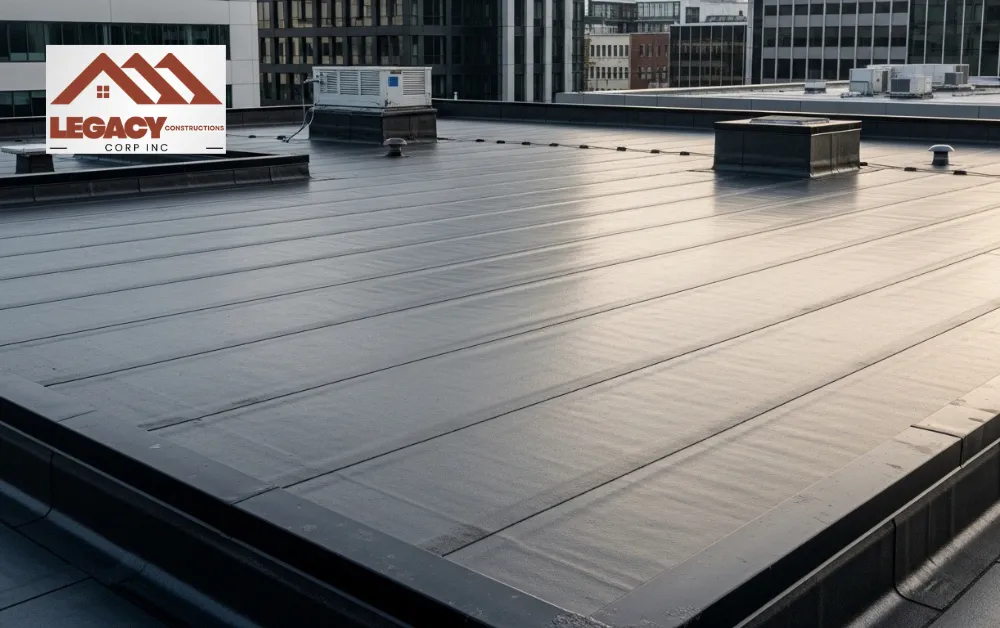
Advantages of this method:
- Strong protection against leaks and cracks
- Long lifespan compared to other materials
- Handles heavy rain and extreme weather effectively
Many commercial buildings prefer this approach for reliable flat roofing waterproofing.
3. EPDM Rubber Roofing
EPDM is a durable rubber membrane commonly used on flat roofs. It comes in large sheets that cover the roof in a single layer, reducing seams where water could enter. Its flexibility allows it to perform well in both hot and cold climates, making it ideal for long-term protection. Many experts consider it the best way to waterproof a flat roof when durability matters.
Benefits of EPDM roofing:
- Lasts up to 30 years with proper care
- Resists sunlight damage and UV exposure
- Handles extreme weather without cracking
Once installed, the roof remains waterproof with minimal maintenance.
4. Polyurethane Waterproof Coating
Polyurethane coating is a strong, reliable option for waterproofing a flat roof. It forms a seamless layer that sticks tightly to the surface, making it especially effective for roofs with complex shapes or vents.
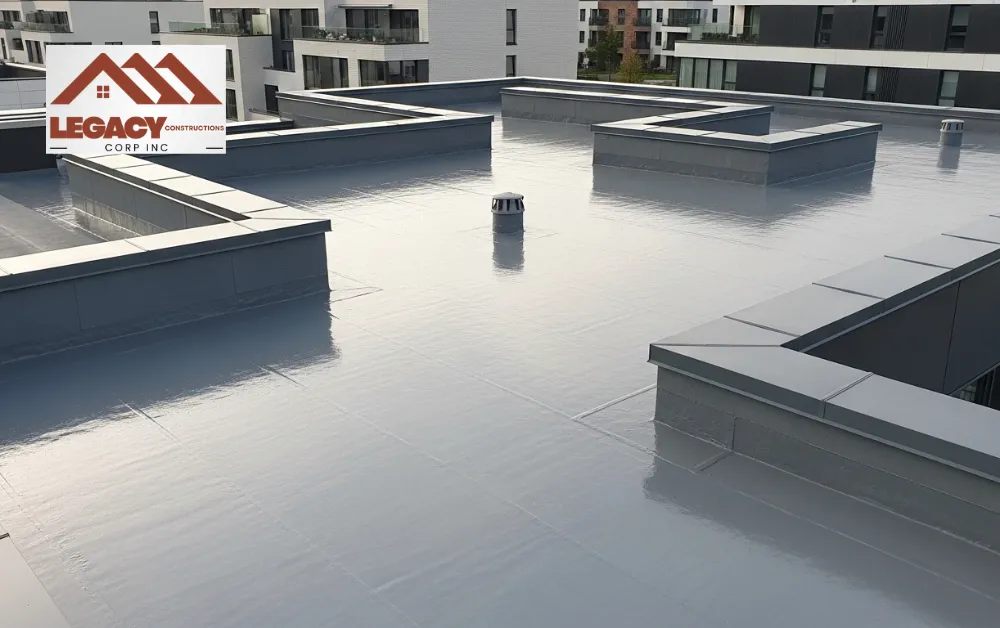
Why it works well:
- Highly flexible, adapting to temperature changes
- Strong against standing water, preventing leaks
- Great for older roofs, adding long-term protection
Many contractors use polyurethane for professional roof waterproofing systems because of its durability and performance.
5. Fiberglass Waterproofing
Fiberglass systems use layers of resin and fiberglass mat that harden into a solid, waterproof surface once applied. This method is very durable and works well in areas with heavy rain. Many homeowners choose fiberglass when they want to permanently waterproof a flat roof.
Key advantages of fiberglass:
- Very strong surface that resists damage
- Crack-resistant, even in harsh weather
- Low maintenance, saving time and effort
It is a reliable choice for long-term waterproofing of flat roofs.
Step-by-Step: How to Waterproof a Flat Roof
If you want to handle basic repairs yourself, waterproofing a flat roof can be simple and straightforward. Here is a clear step-by-step guide to help you protect your roof from leaks.
Step 1: Clean the Roof
Start by removing all dirt, leaves, and dust from the roof. Even small debris can prevent coatings from sticking properly. Use a broom or blower to clear the surface completely. A clean roof ensures that the next steps go smoothly and last longer.
Step 2: Inspect the Surface
Carefully check the entire roof for cracks, holes, or weak spots. Pay attention to edges and corners where damage often occurs. Repair any problem areas before moving on to the next step to make sure the roof is ready for coating.
Step 3: Seal Joints and Edges
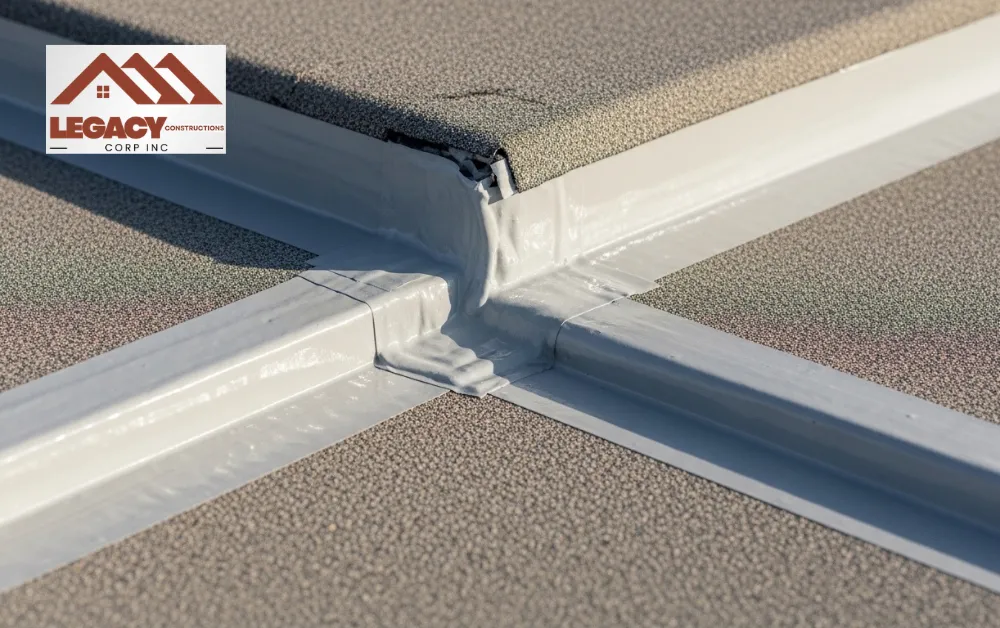
Joints and seams on a roof are often the first places where leaks start. Use roof tape or a quality sealant to cover these areas completely. Properly sealing them helps prevent water from getting in and protects the roof in the long run.
Step 4: Apply Waterproof Layer
Choose the method you prefer, such as liquid coating, rubber membrane, or bitumen sheets. Carefully spread the material evenly across the entire roof, making sure to cover every corner and edge. A smooth, consistent layer will give the best protection.
Step 5: Let It Dry
Give the roof enough time to dry completely before walking on it. Once the layer is fully set, it will form a strong, protective surface that keeps water out and helps the roof last longer.
Essential Tips to Keep Your Flat Roof Leak-Free
Even the strongest roofing system needs occasional care. Simple maintenance keeps the roof durable and helps prevent leaks.
- Clean the Roof Regularly – Leaves, dirt, and debris trap moisture. Clear them every few months to keep the surface dry.
- Check for Cracks – Small cracks can appear over time. Fix them quickly before they turn into bigger problems.
- Inspect After Storms – Heavy rain or strong winds can damage the roof. A quick inspection helps spot any issues early.
- Reapply Coating When Needed – Some coatings last 5–10 years. Adding a fresh layer helps maintain the roof’s protection.
Regular maintenance keeps your roof strong, safe, and long-lasting.
Avoid These Common Flat Roof Waterproofing Mistakes
Even simple roofing projects can go wrong if you’re not careful. Avoiding these mistakes can save time, effort, and money.
- Skipping Surface Cleaning – Coatings won’t stick properly on dusty or dirty surfaces.
- Ignoring Small Cracks – Tiny cracks can grow quickly once water enters. Fix them early.
- Using the Wrong Material – Different roofs need different solutions. Picking the right product is key.
- Poor Drainage – Water that can’t drain properly will harm even the best system. Keep gutters and outlets clear.
By avoiding these mistakes and turning to expert waterproofing services, you can ensure your roof stays durable, leak-free, and well-protected for years.
How Long Does Flat Roof Waterproofing Last?
The lifespan of a waterproofing system depends on the material used. Here’s a general idea of how long each method typically lasts:
| Waterproofing Method | Average Lifespan |
| Liquid coating | 5–10 years |
| Polyurethane coating | 10–15 years |
| Bitumen membrane | 15–20 years |
| EPDM rubber | 20–30 years |
| Fiberglass | 20+ years |
Choosing the right method depends on your budget, climate, and the condition of your roof. Picking the most suitable solution ensures your roof stays protected for many years.
When to Call a Professional
Some roofing jobs are simple enough to do yourself, but others need an expert’s touch. You should consider calling a professional if you notice:
- Persistent major leaks that keep coming back
- Weak or unstable roof structure
- Large areas that require replacement
- Drainage issues that prevent water from flowing off the roof
A trusted roofing contractor can assess your roof, address potential problems, and provide the best solution to keep it durable, leak-free, and protected for many years.
Final Thoughts
Flat roofs can last for many years if they are properly protected. The key is to act early, before small leaks turn into bigger problems. Understanding how to waterproof a flat roof helps you choose the right method for your home, whether it’s liquid coatings, rubber membranes, or fiberglass systems. Start by cleaning the surface, repairing any cracks, and applying a strong, durable waterproof layer.
With the right approach, your roof can stay secure and well-protected for decades. This means fewer repairs, lower costs, and peace of mind every time it rains.
For professional help, consider an experienced roofing company in the Bronxand nearby areas. Contact us today to make sure your flat roof remains strong, durable, and fully protected.
FAQs
How do I stop water pooling on my flat roof?
Water pooling happens when the roof slope is insufficient or when drains are blocked. Regularly clean gutters, ensure proper slope, and apply a reliable waterproof coating to prevent standing water.
Can waterproofing a flat roof prevent mold?
Yes. Proper waterproofing stops water from seeping in, which prevents mold growth and protects indoor air quality.
What is the best material for waterproofing a flat roof?
The best material depends on your roof type, budget, and climate. EPDM rubber and fiberglass offer long-term durability, while liquid and polyurethane coatings are great for DIY or small repairs.
Can I apply a waterproof coating over an old flat roof?
Yes, as long as the surface is clean, cracks are repaired, and any peeling layers are removed. Some coatings are specifically designed for older roofs.
Can waterproofing extend the life of a flat roof?
Absolutely. Applying the right waterproofing system and maintaining it regularly can add 10–20+ years to the roof’s lifespan.
